THE BIG BANG, PART II
Paris has entered the CHAT … (and better late than never)
And just like that — before anyone had even emotionally recovered from Milan — Paris Fashion Week arrived and delivered what can only be described as THE BIG BANG, Part II. Suddenly, conversations about fashion felt alive again. Suddenly, the shows mattered. Suddenly, we remembered why we fell in love with fashion in the first place.
For years, Paris had been orbiting in a predictable little solar system of its own — polished, historic, elegant, but admittedly stuck in a gravitational loop. The same ateliers, the same silhouettes, the same “beautiful” collections that while technically perfect, rarely made the fashion crowd sit up and actually feel something.
But not this season.
No, no, no. This season was different and the MILAN-spirit spilled over into the French houses (even though they would hate to admit this).
New creative directions, new interpretations of heritage, new faces in old maisons — and with them, a new electricity.
Let’s get into it.
CHANEL — MATTHIEU BLAZY STEPS INTO THE STARDUST
Where do we begin? Chanel, of course.
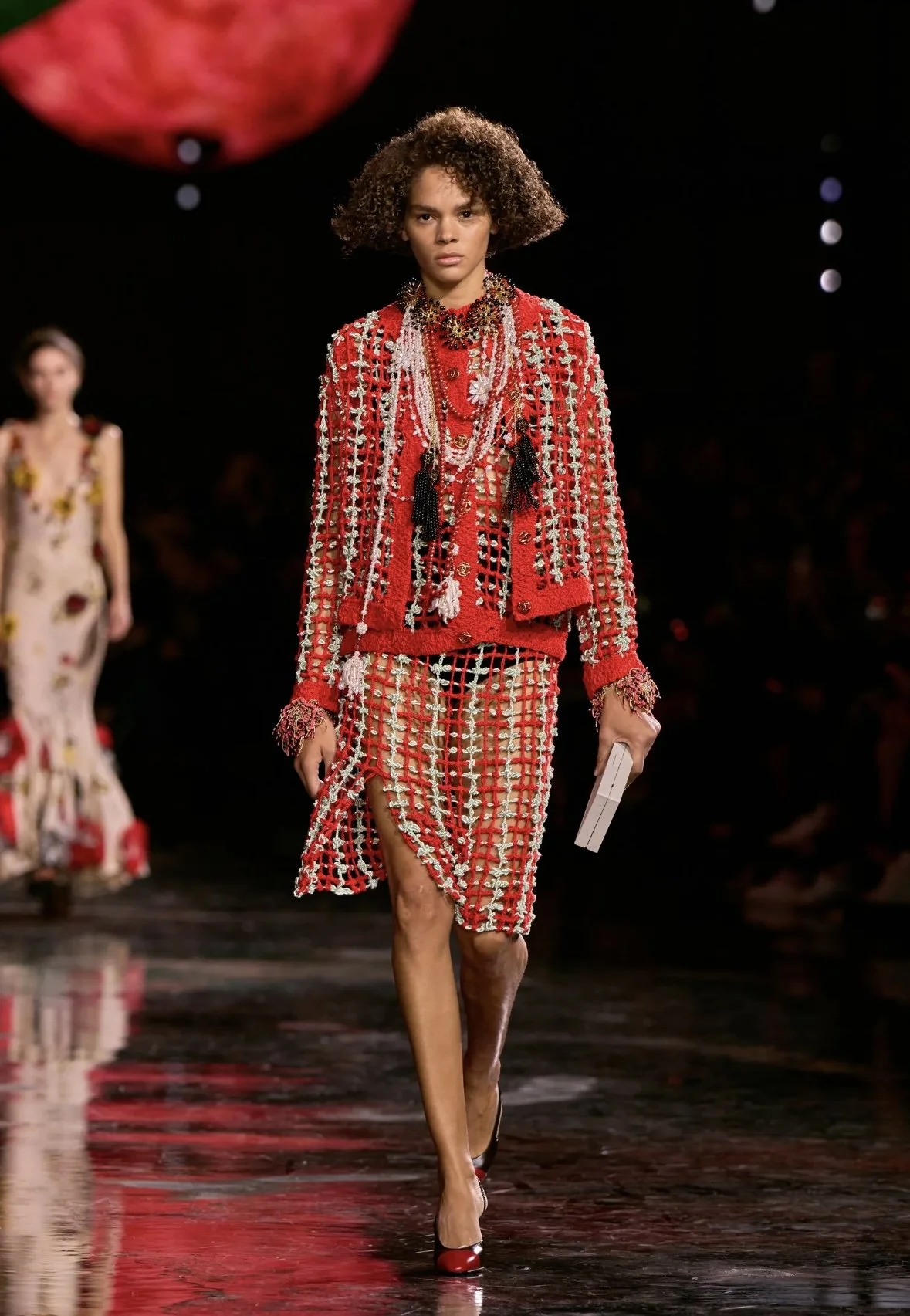
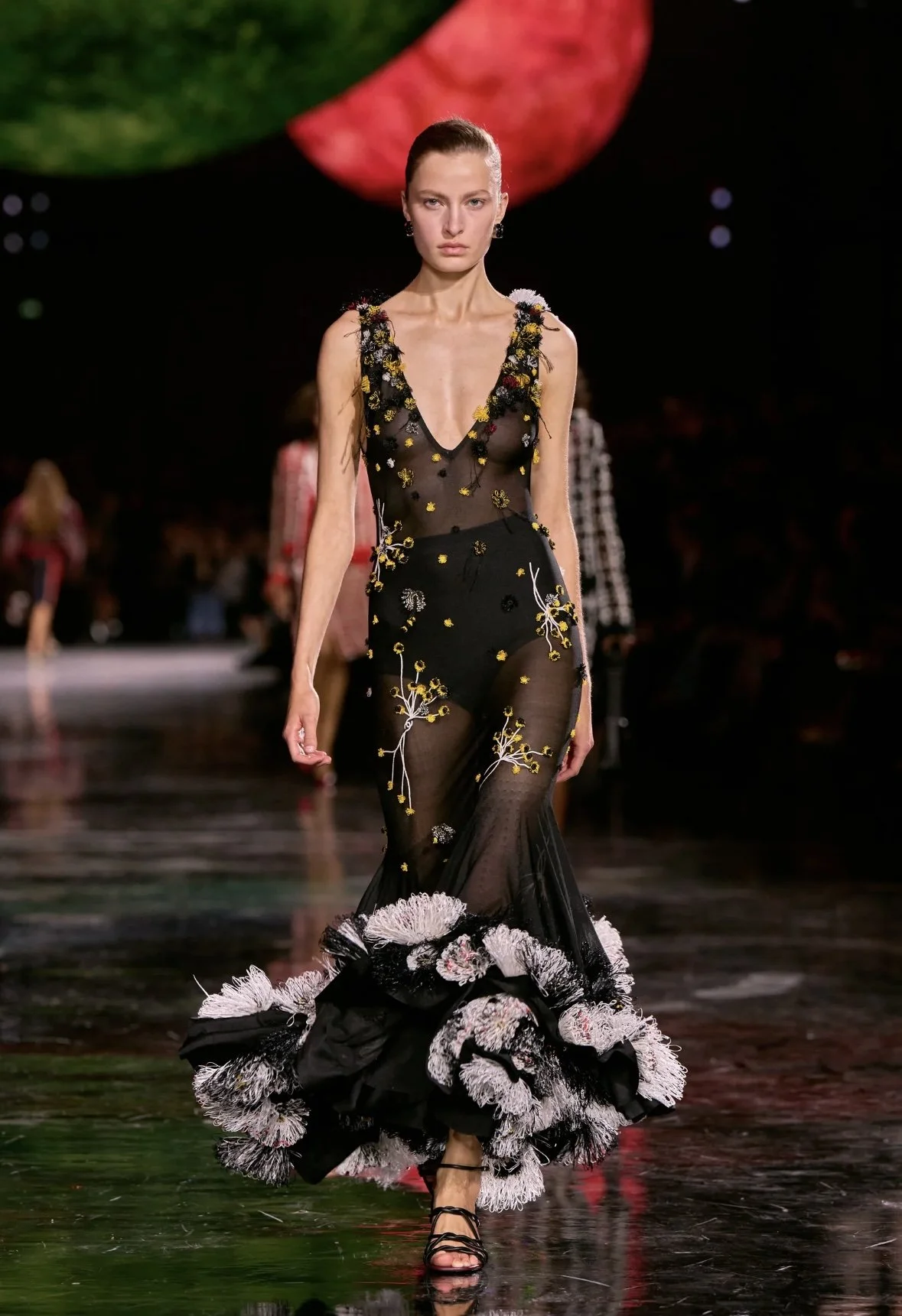
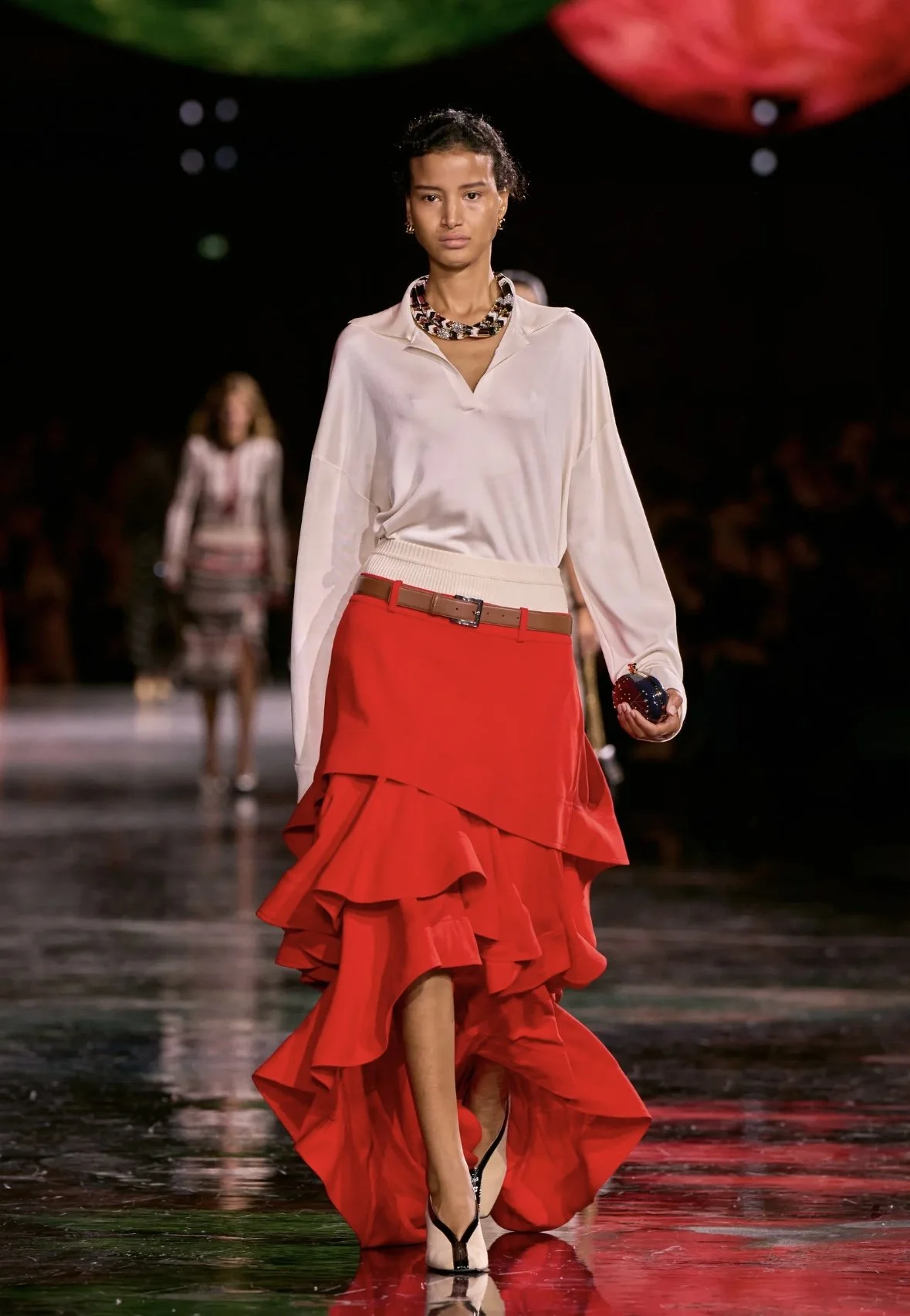
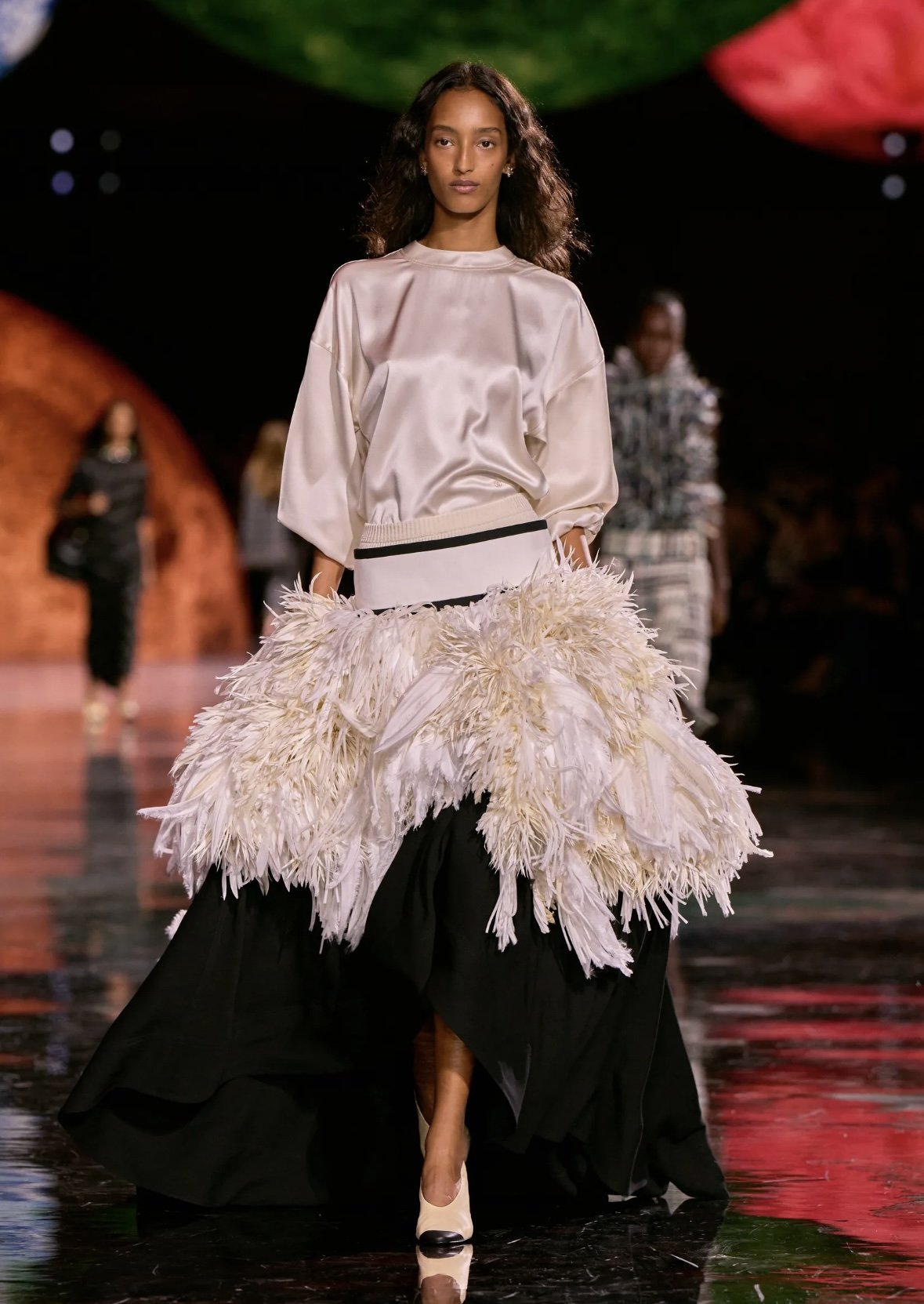
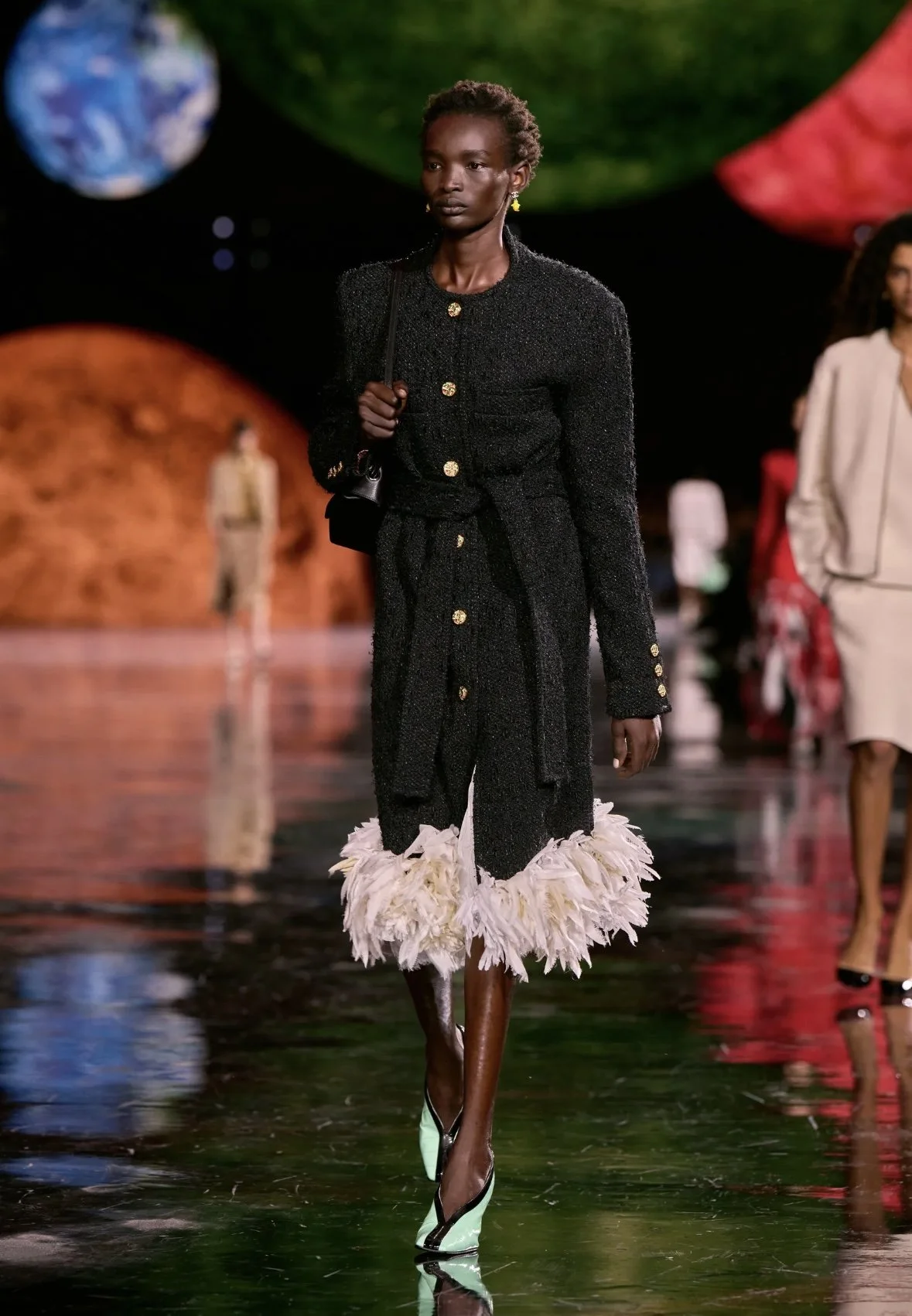
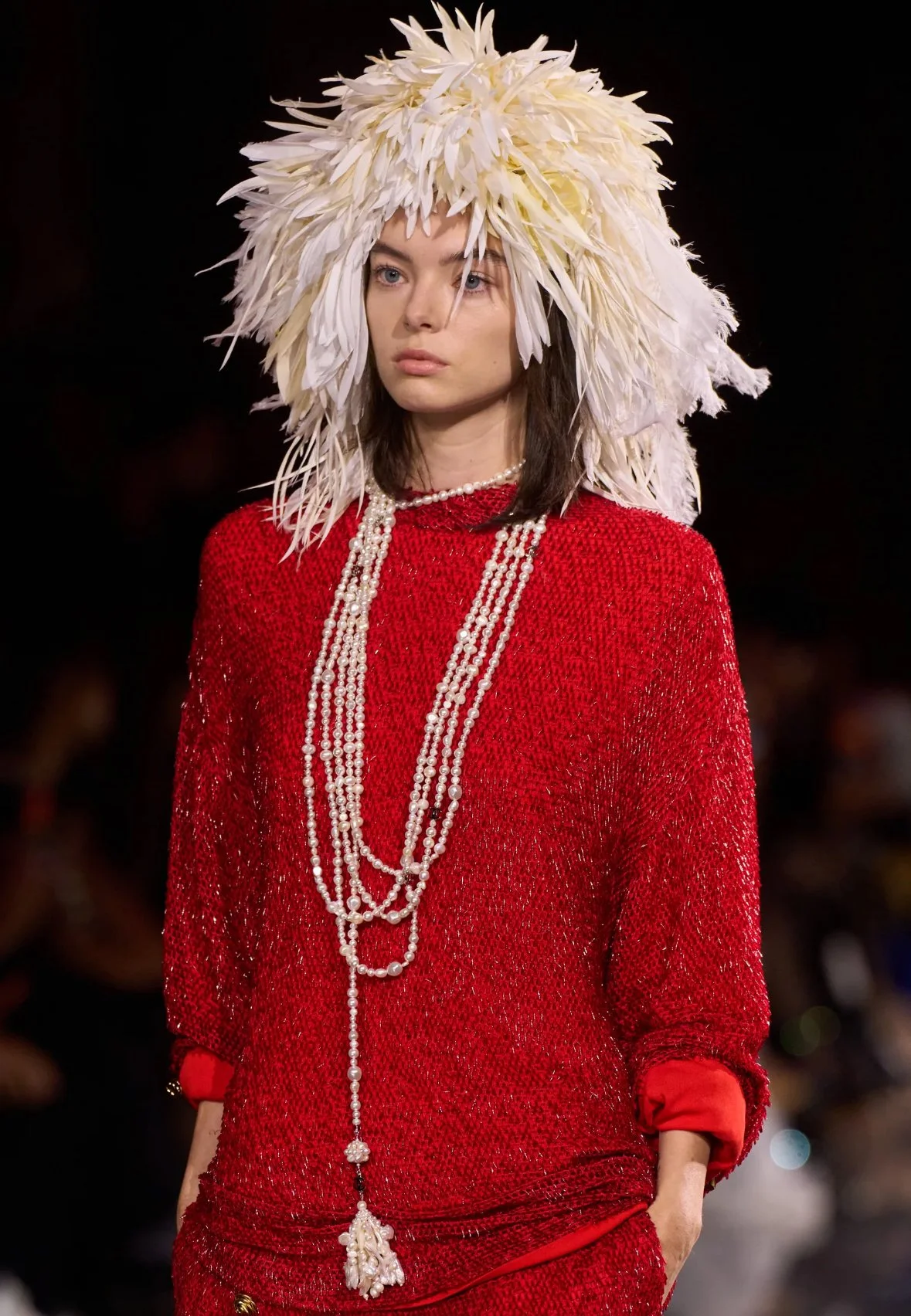
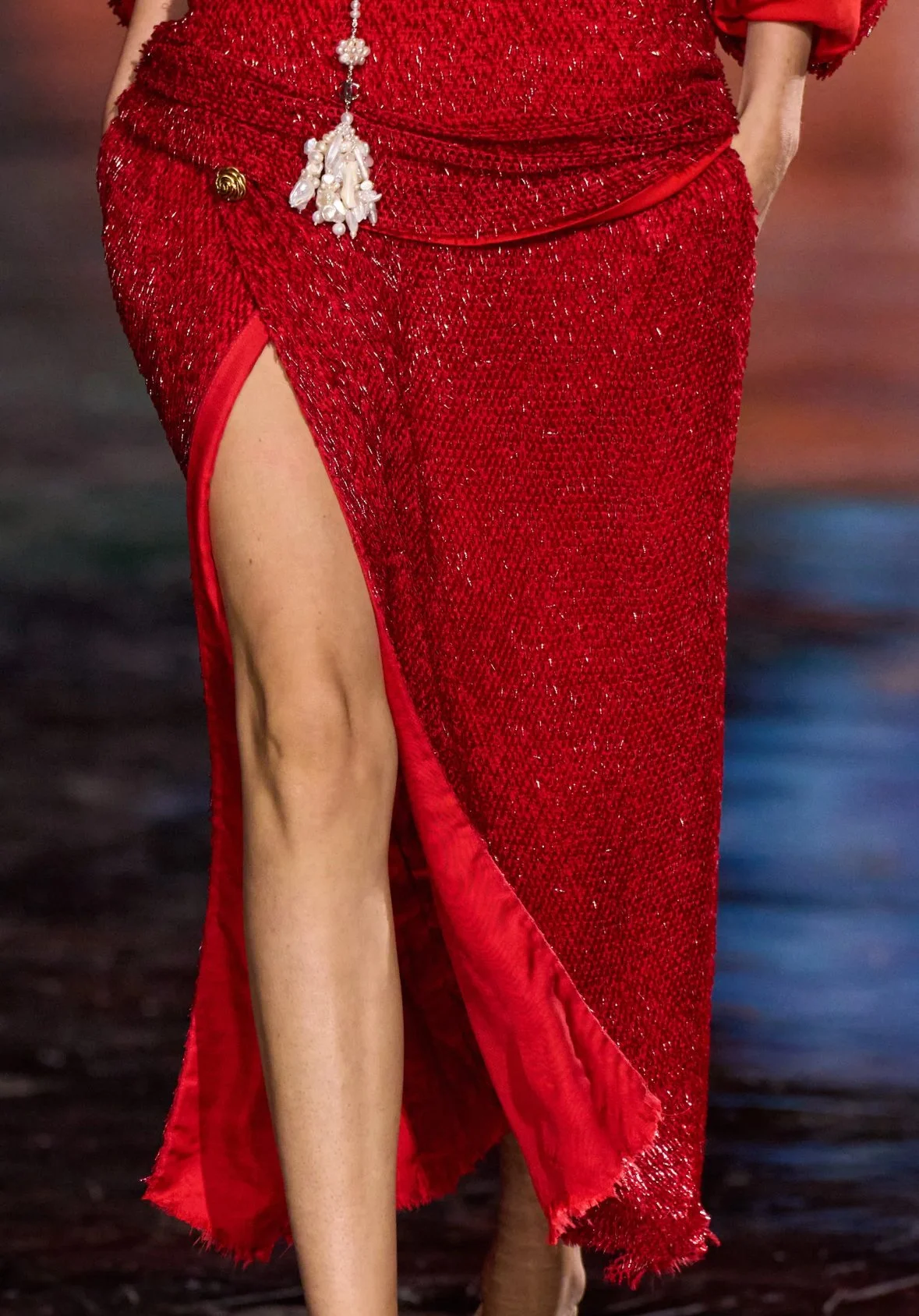
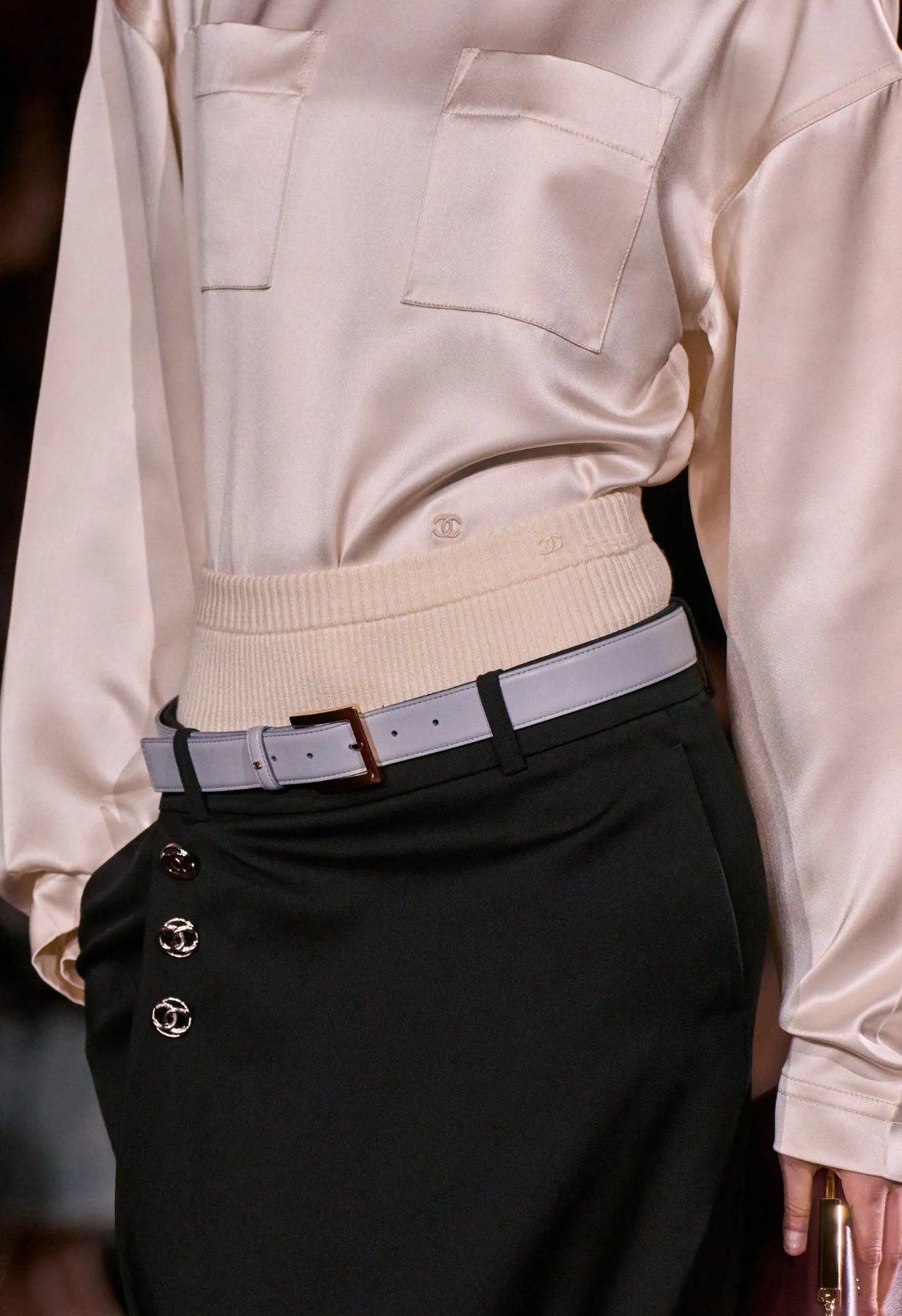
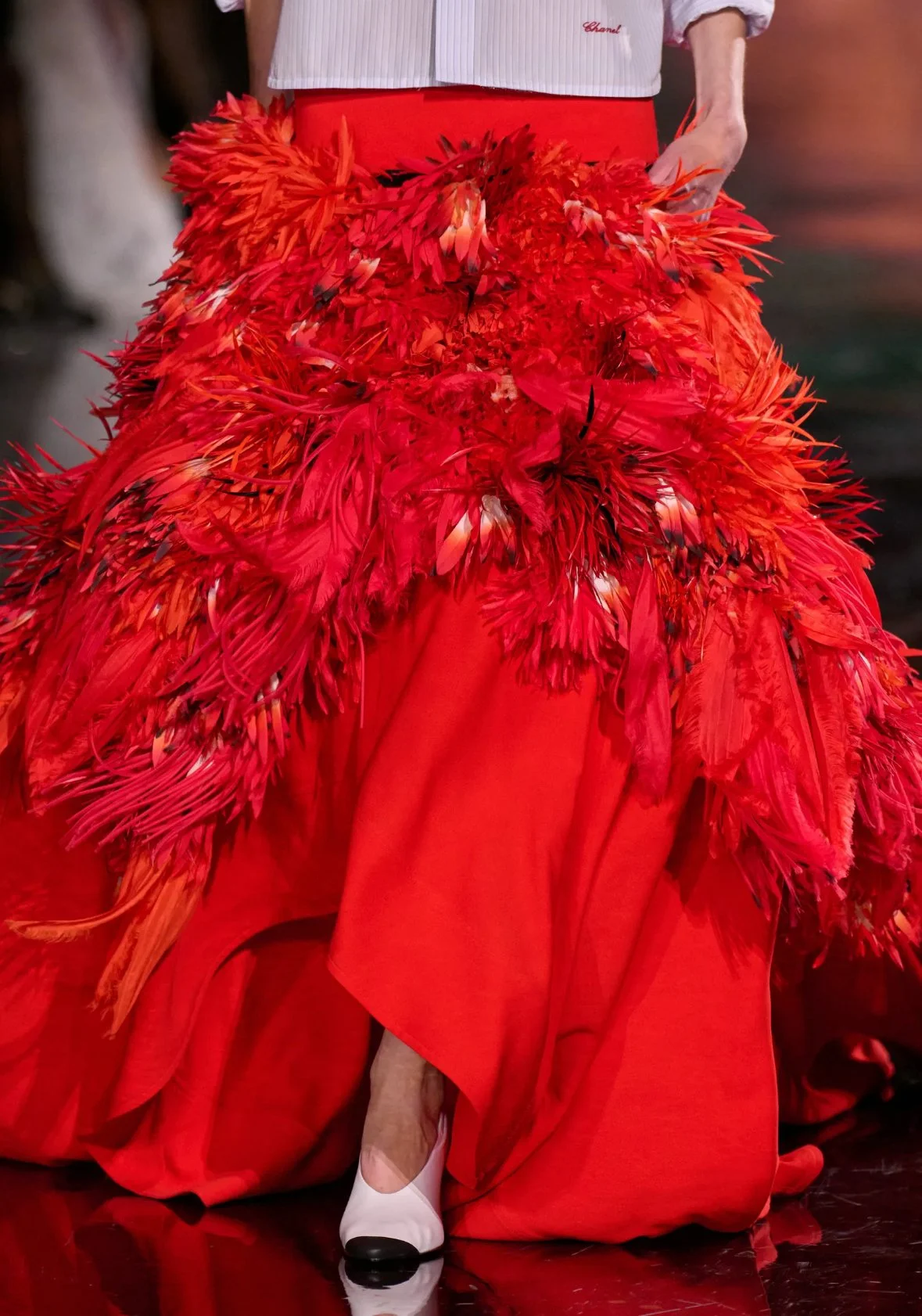
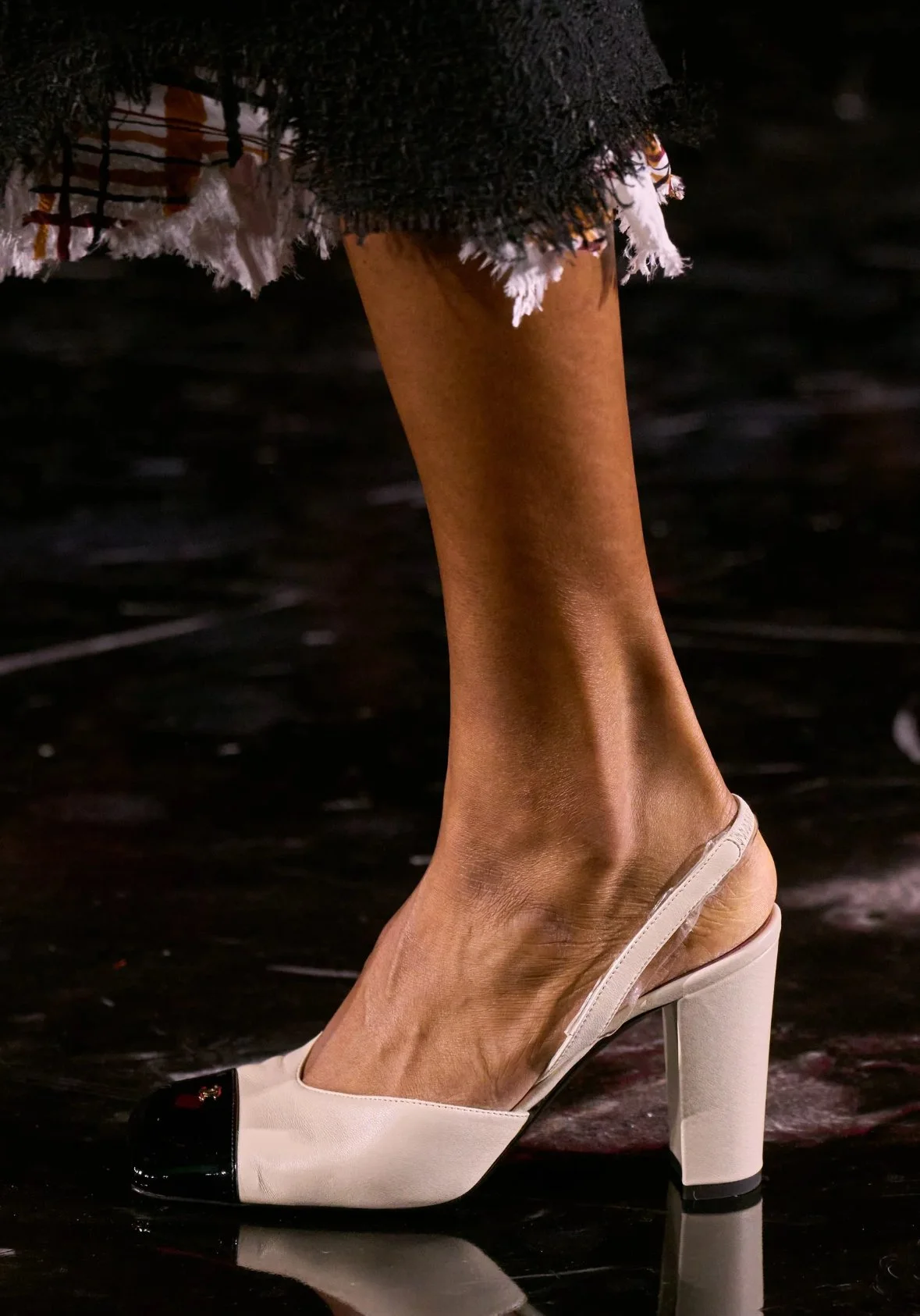
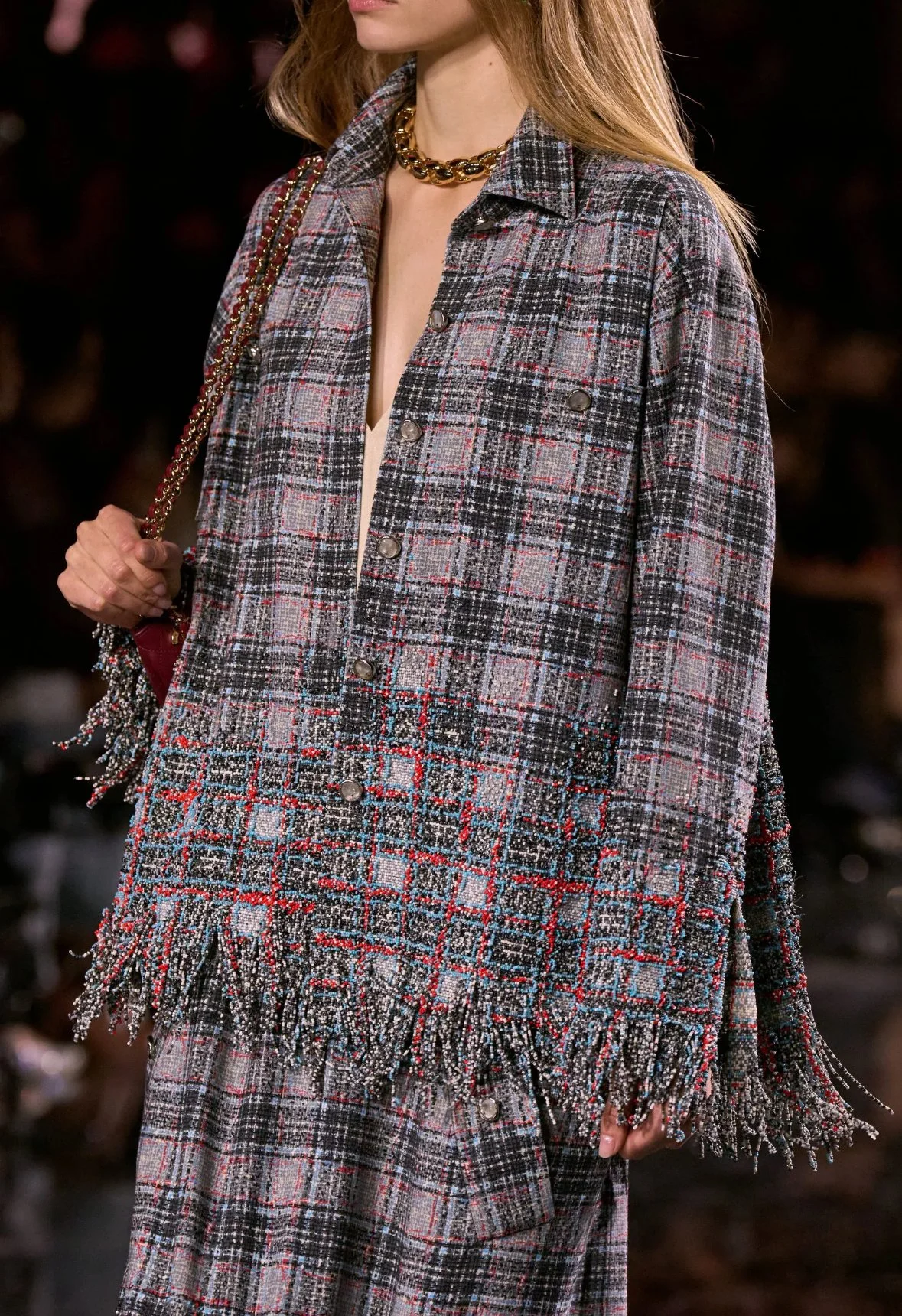
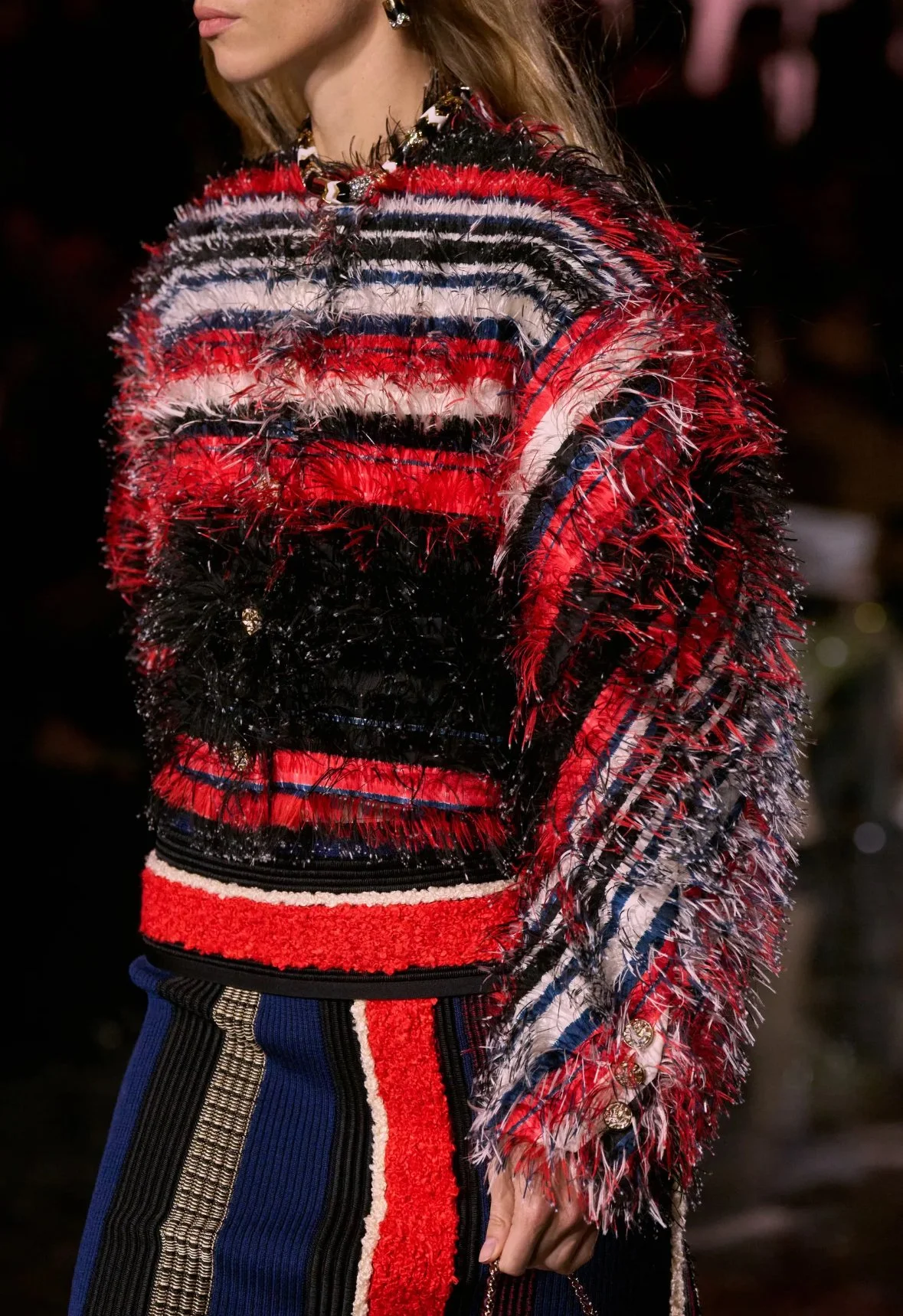
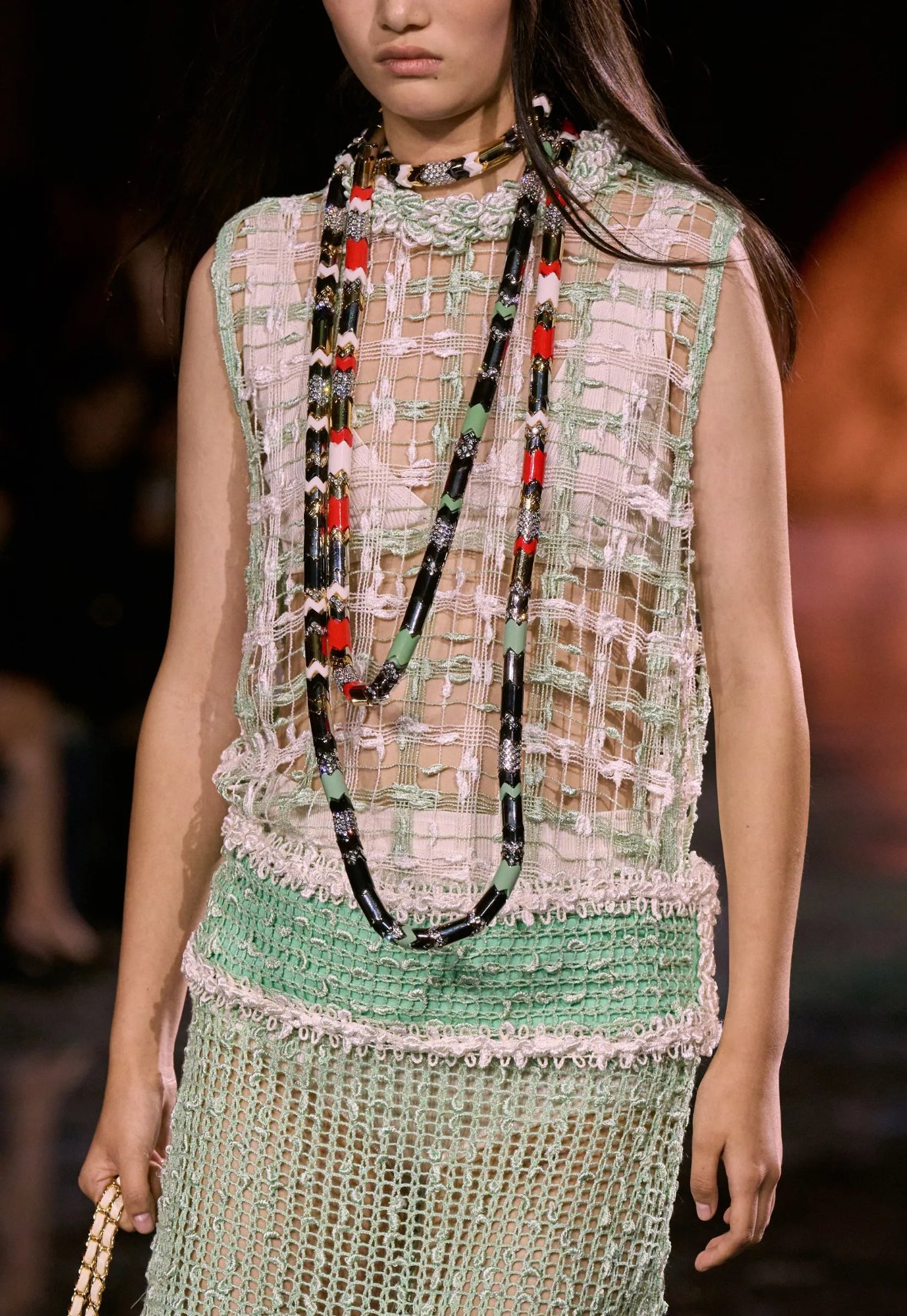
After months of anticipation (and a fair amount of skepticism), Matthieu Blazy made his debut — and what a debut it was. Chanel had been in desperate need of fresh air, and Blazy did not just open the windows… he really let in a storm.
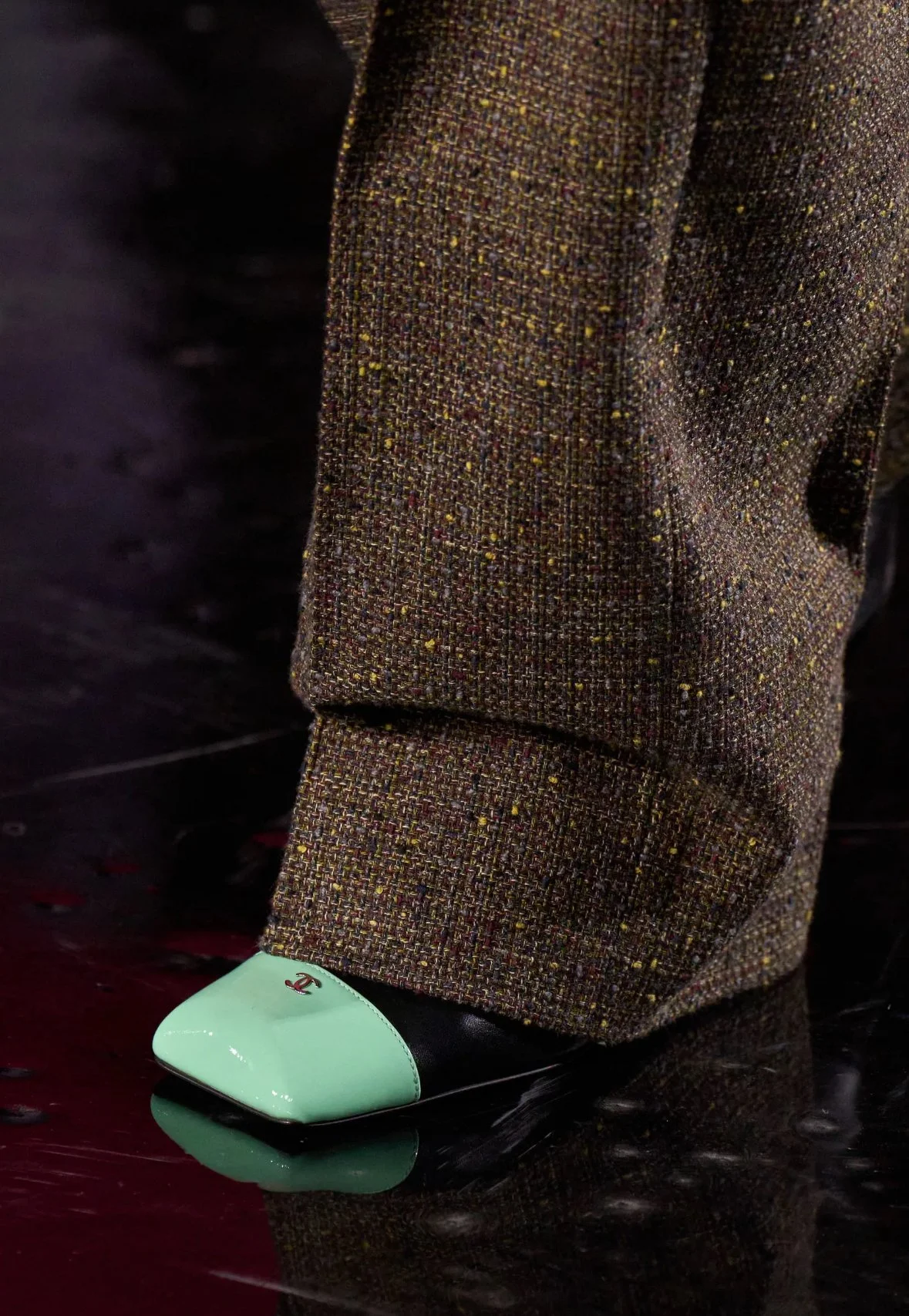
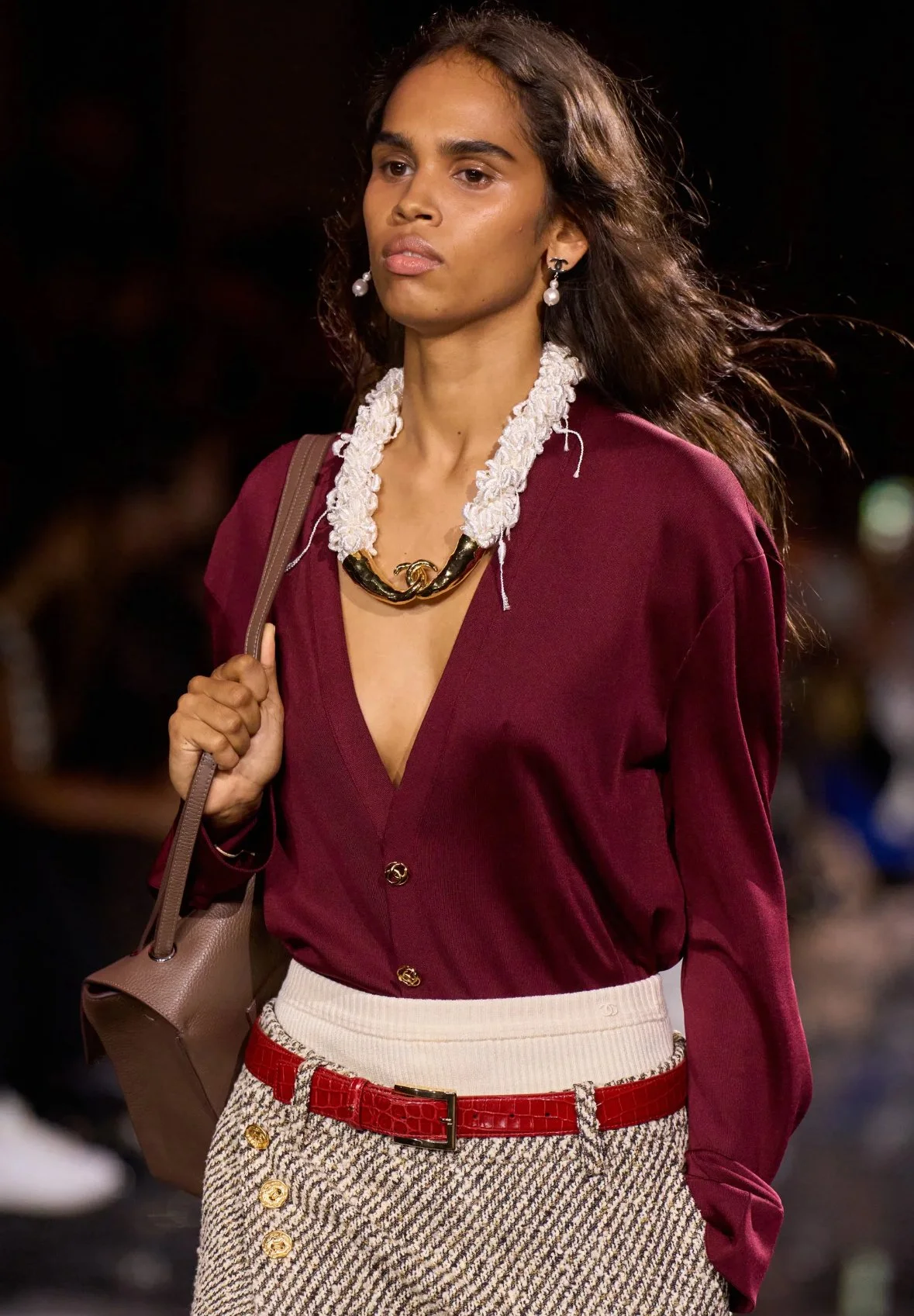
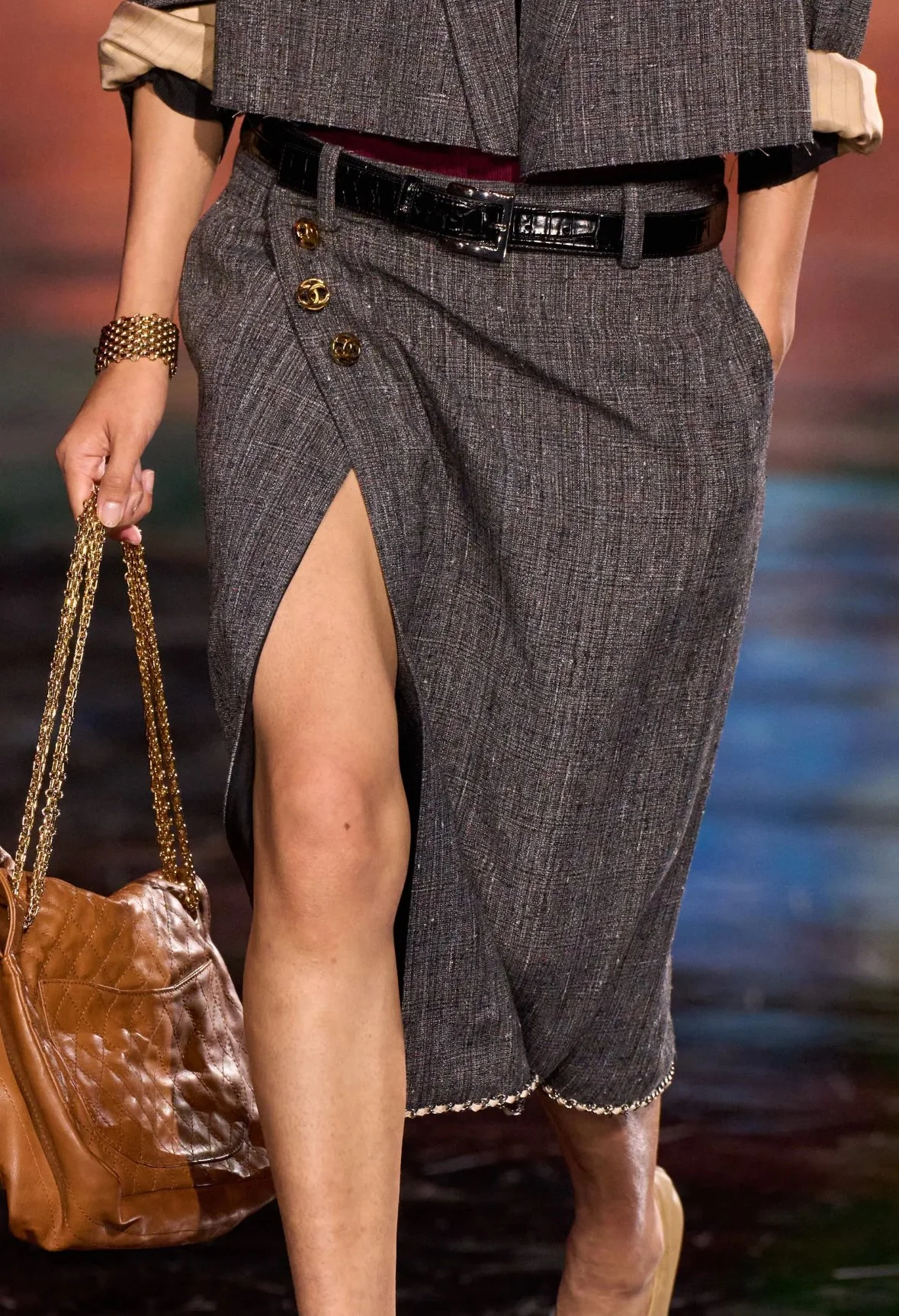
He reinterpreted the house’s codes — tweed, pearls, the eternal suit — with a softness and ease that felt like Chanel was rediscovering its own pulse.
With such ease he was able to transform the so recognizable Chanel codes into something so FRESH, CRISP and YOUNG.
In the past, young women reaching for their first classic Chanel-style tweed jacket often ended up looking a little too dressed up — or, as the Italians might say, impostata. But today, the tweed jacket has found a new, more effortless way to be worn.
The new collection is undoubtably recognizably Chanel, yet on a whole different level. Jackets are breathing, skirts are swaying, and silhouettes that refused to be stiff or ceremonial.
A new chapter has begun — and for once, everyone agrees.
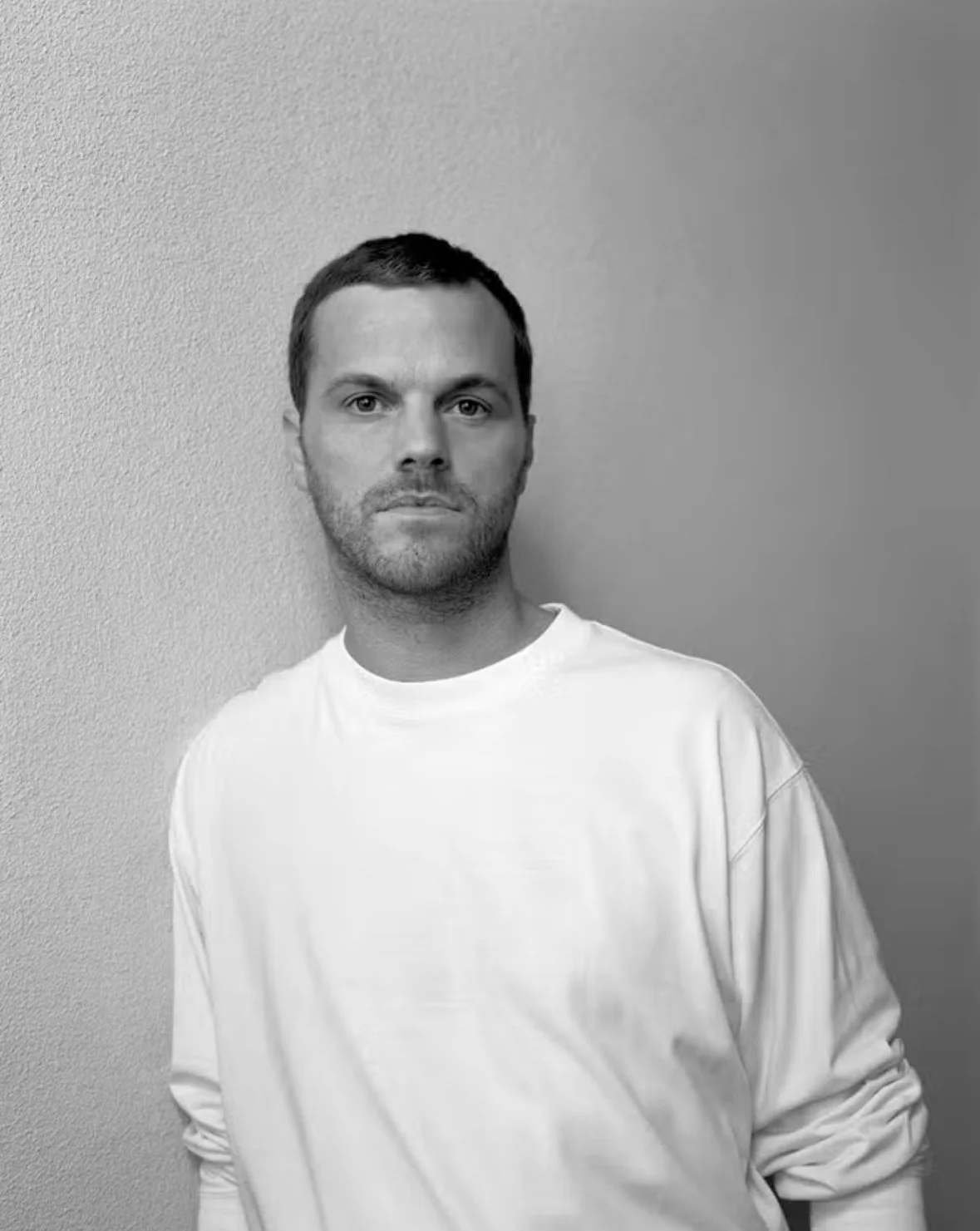
Carreer snapshot
Matthieu Blazy began his career at Raf Simons’ studio, moved to Maison Margiela Artisanal under Galliano, and later became the quiet force behind several Céline accessories before joining Bottega Veneta — where he made history reviving the brand through hyper-craftsmanship (his trompe-l'œil leather jeans became a cultural phenomenon).
DIOR — JONATHAN ANDERSON, THE ARCHIVIST WITH A VISION
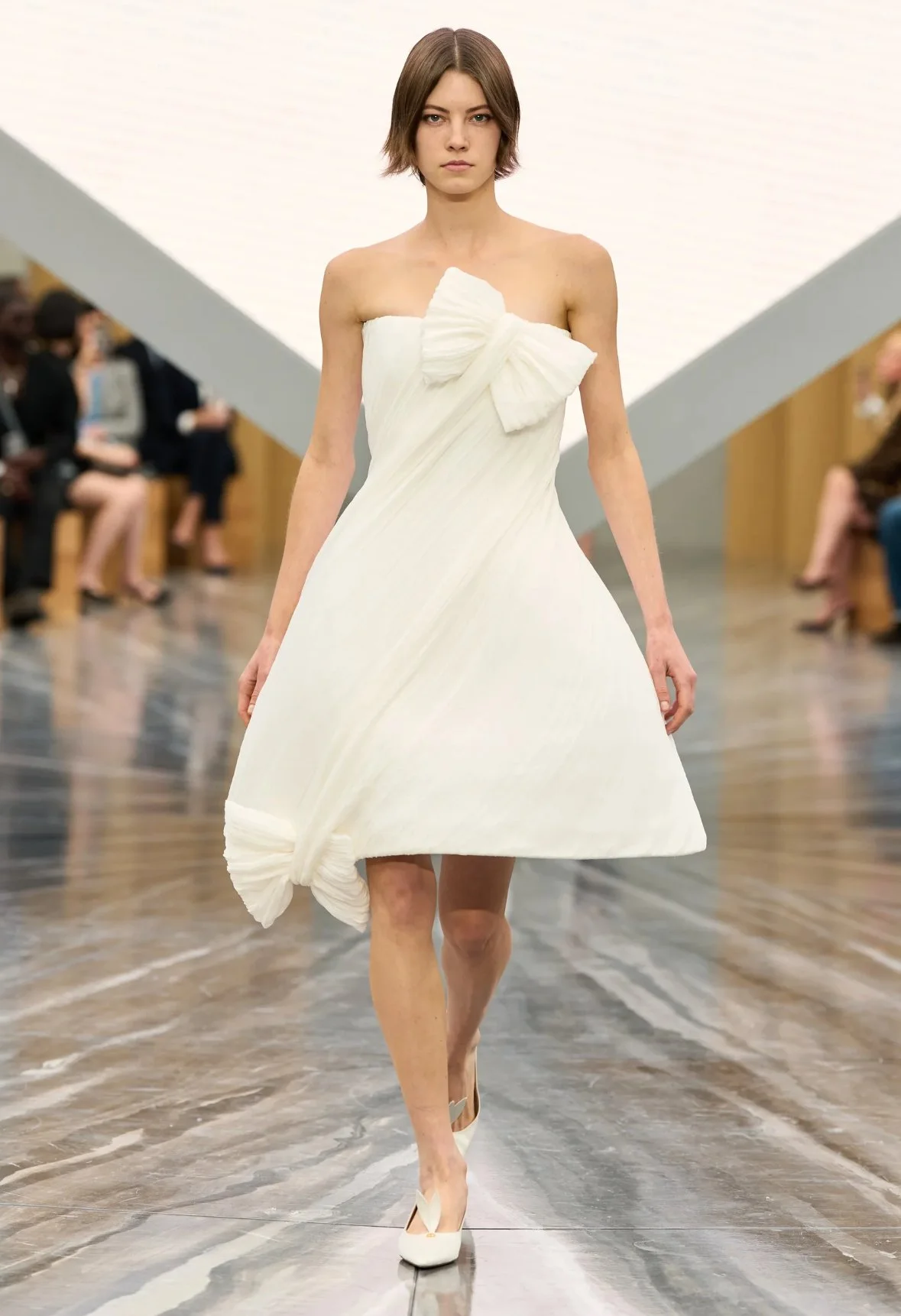
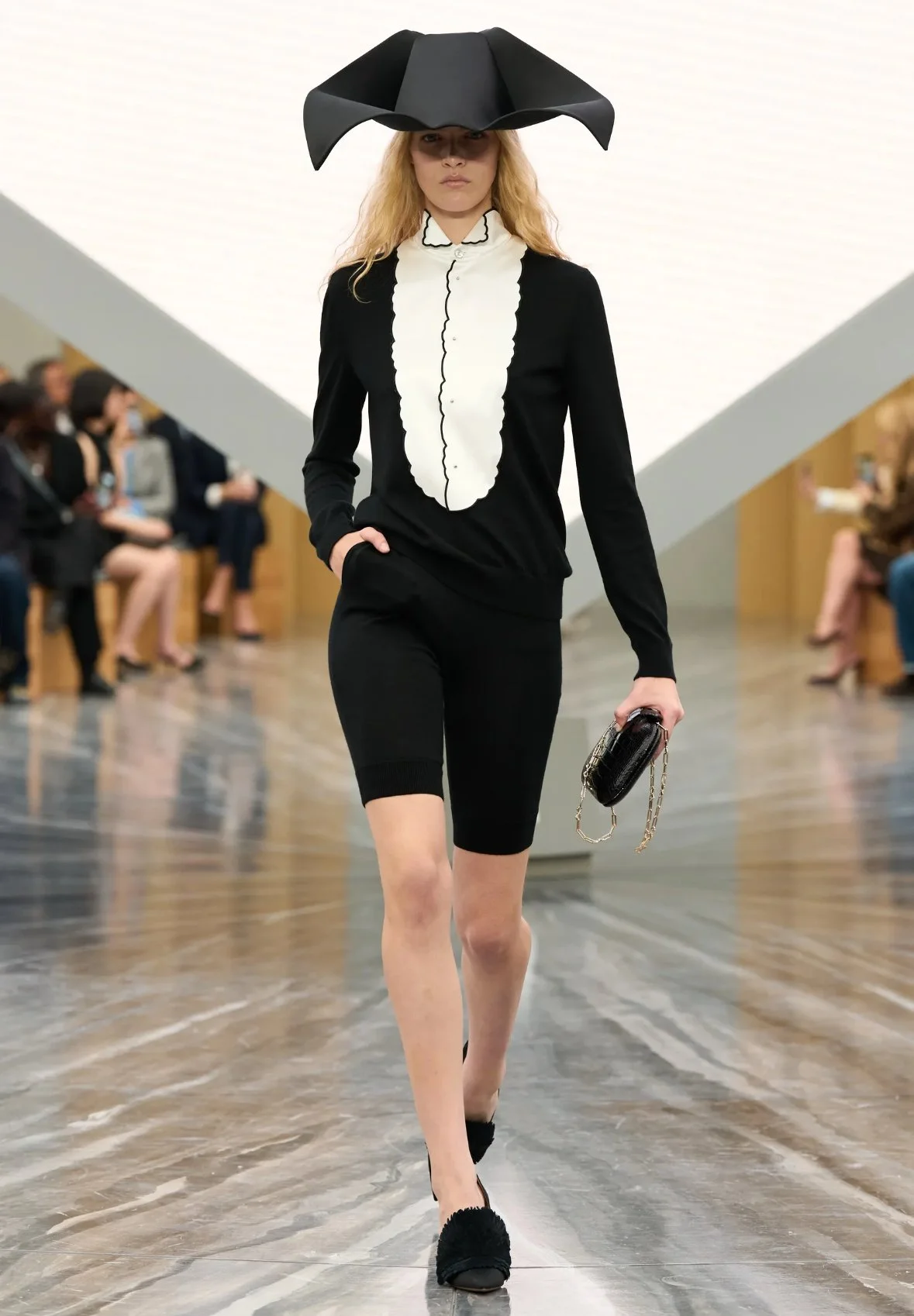
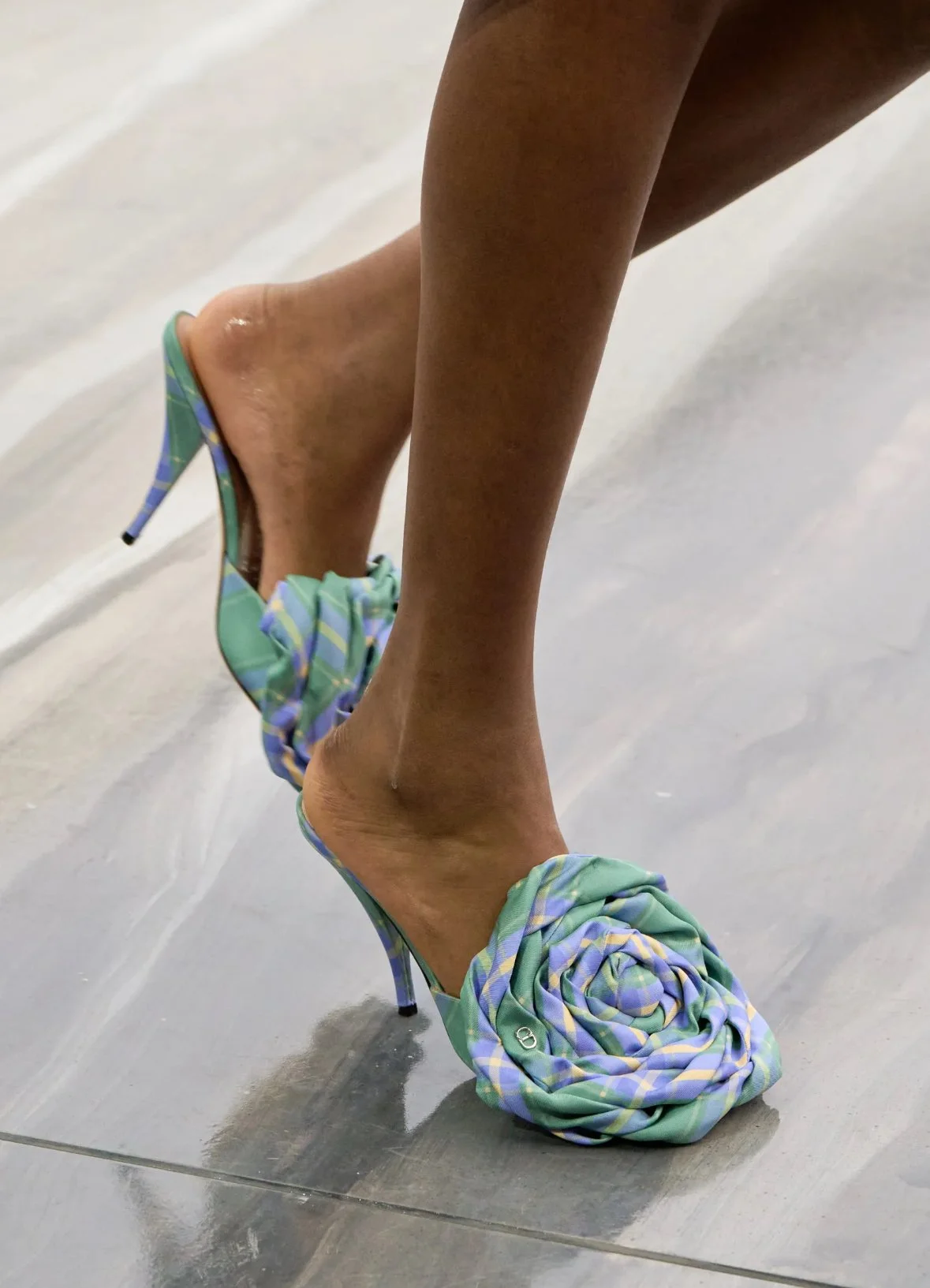
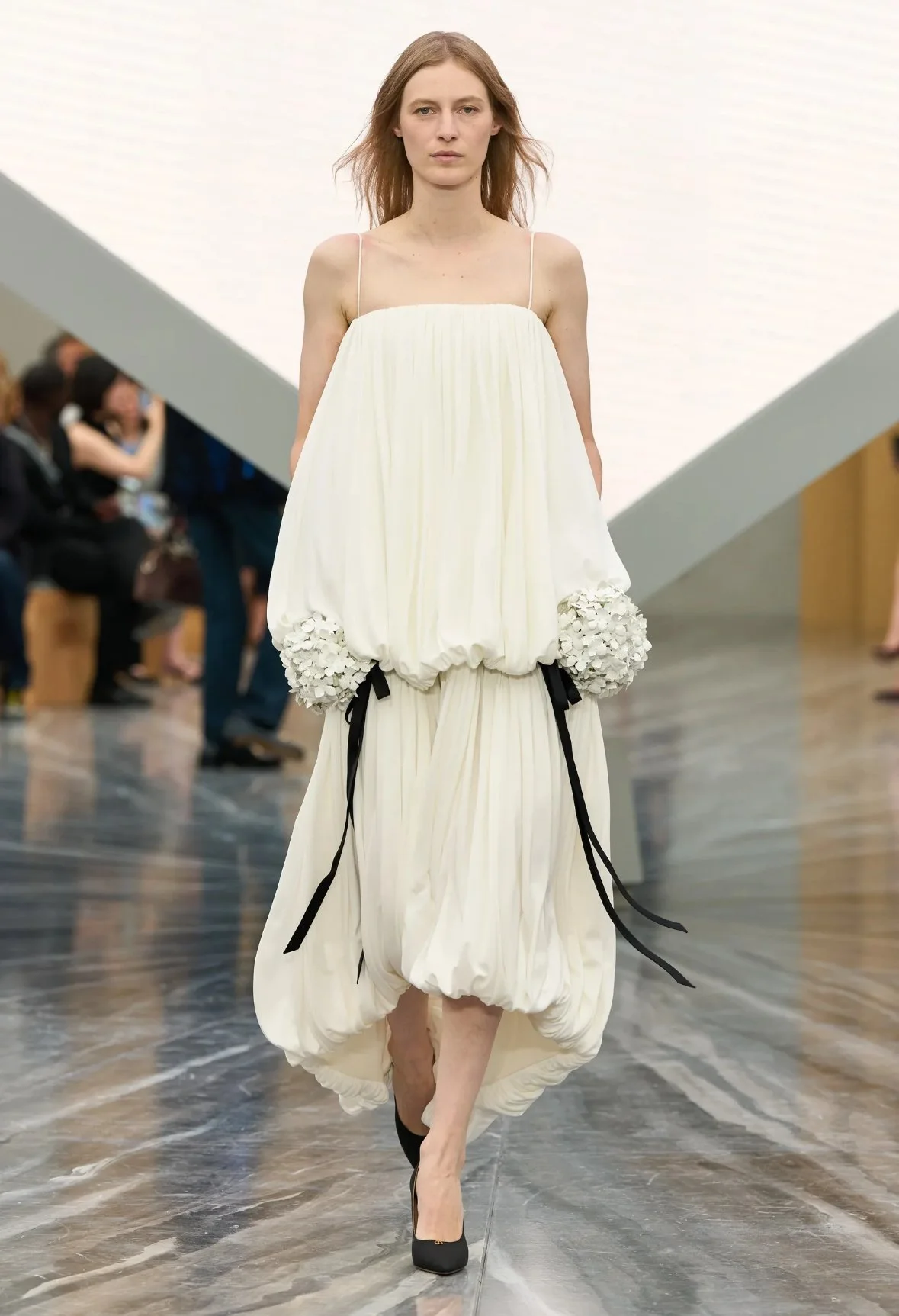
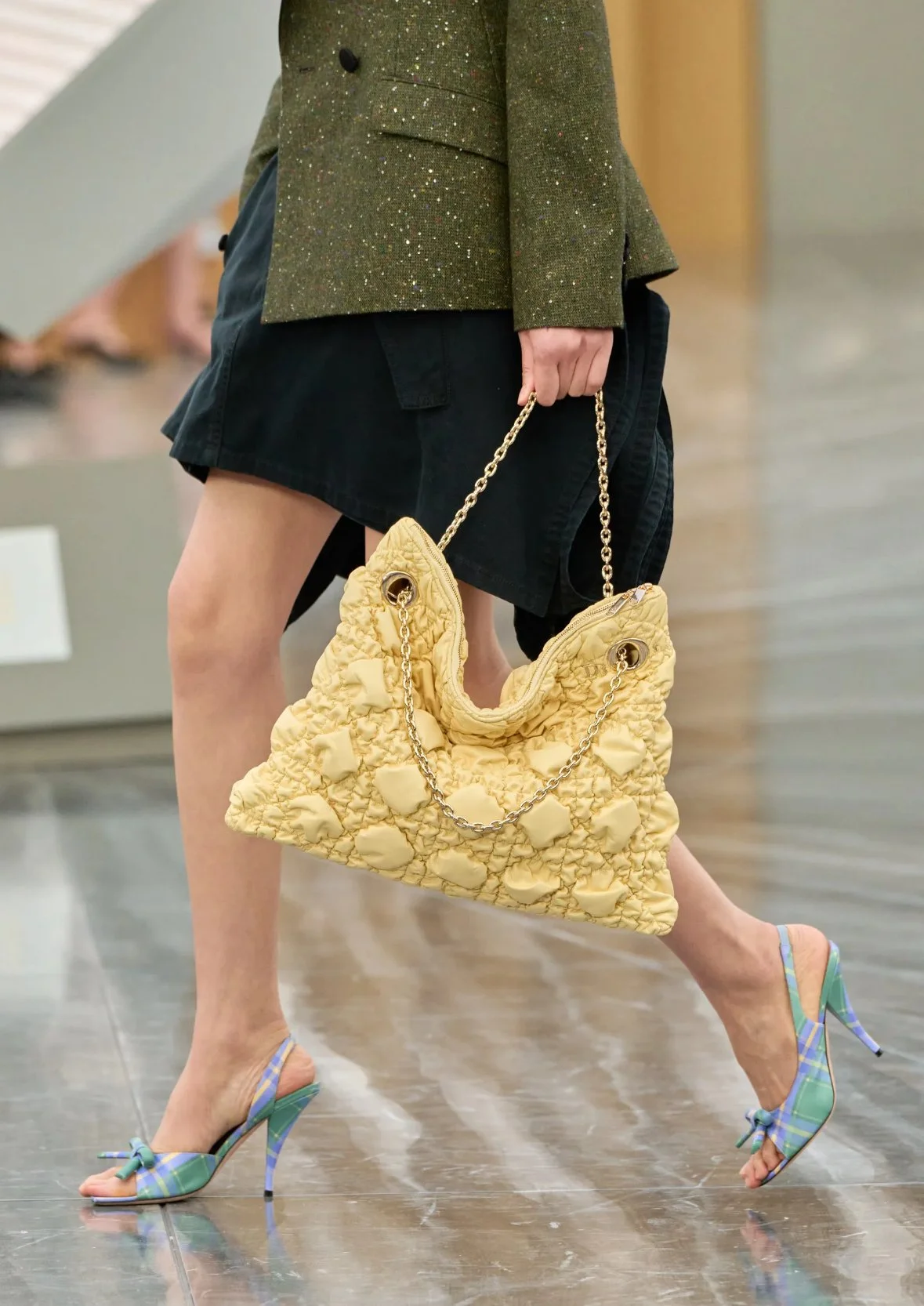
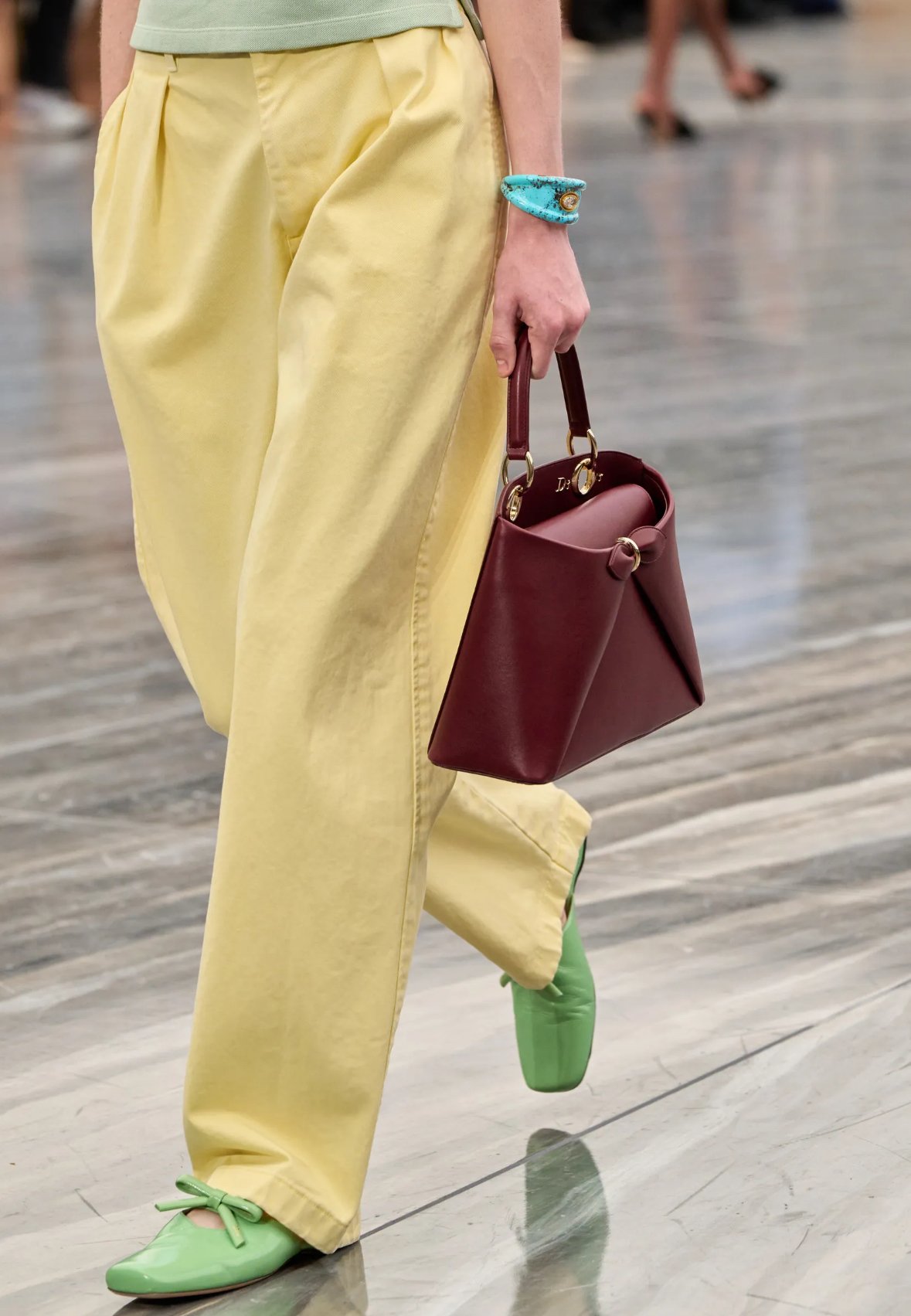
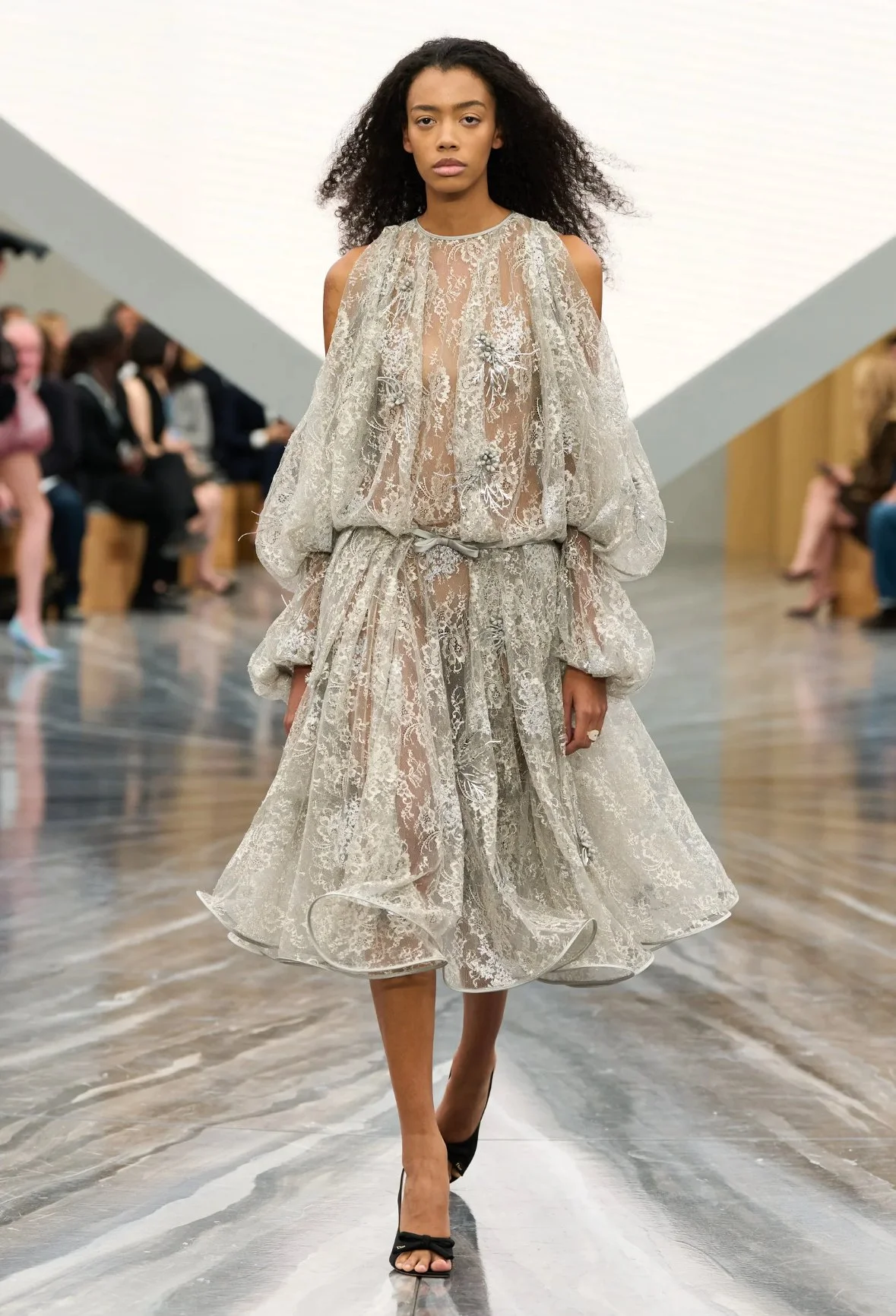
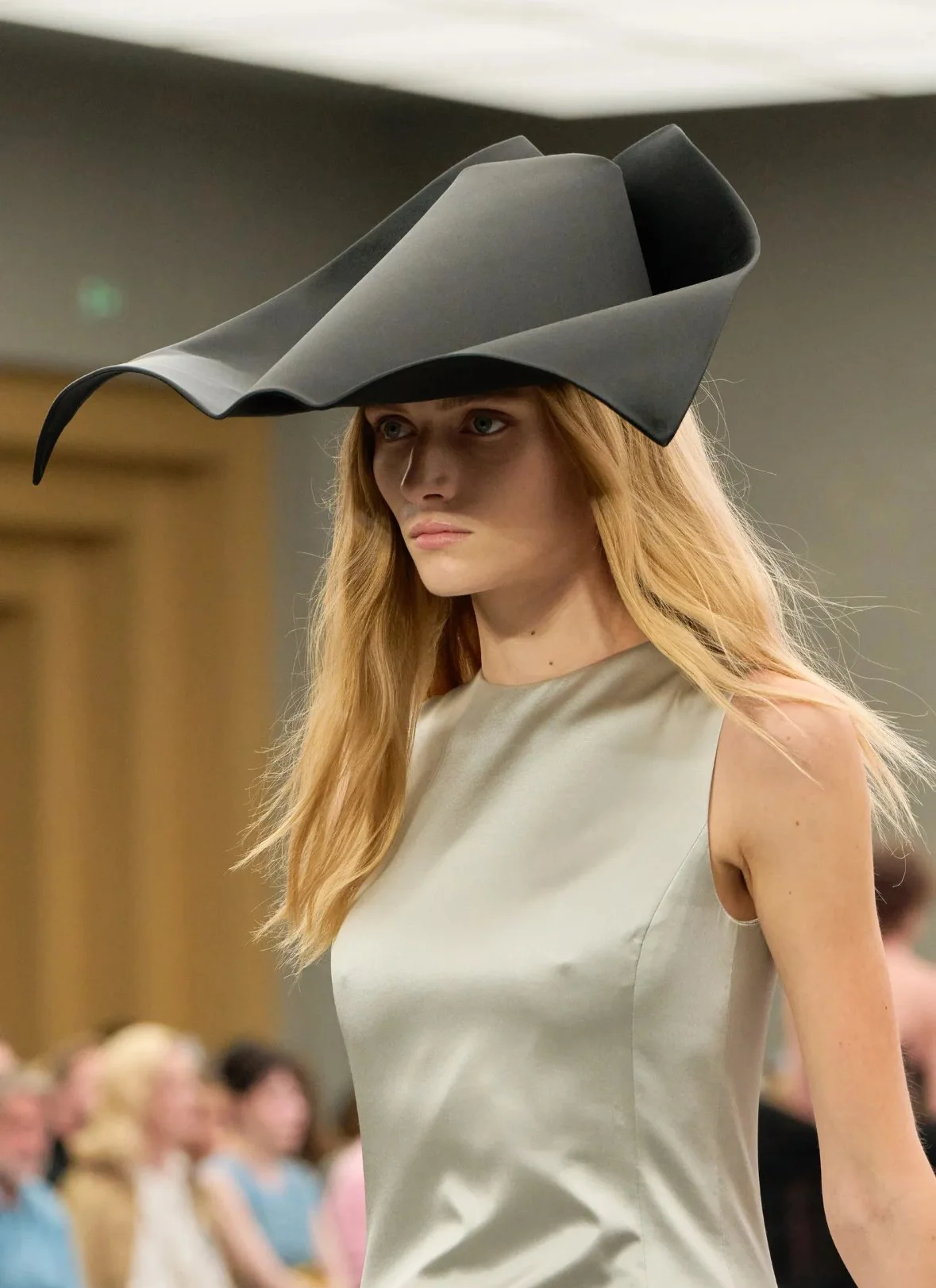
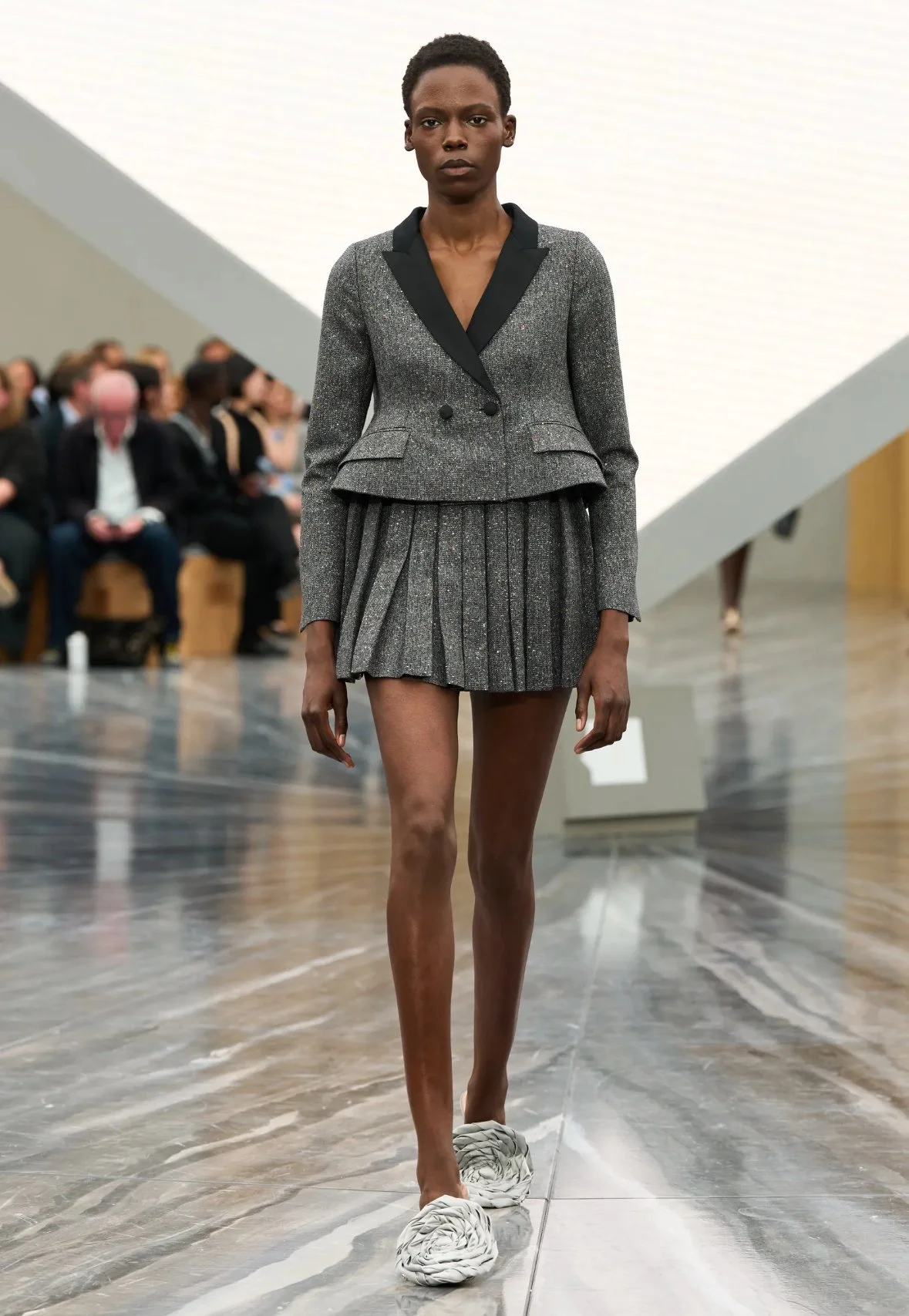
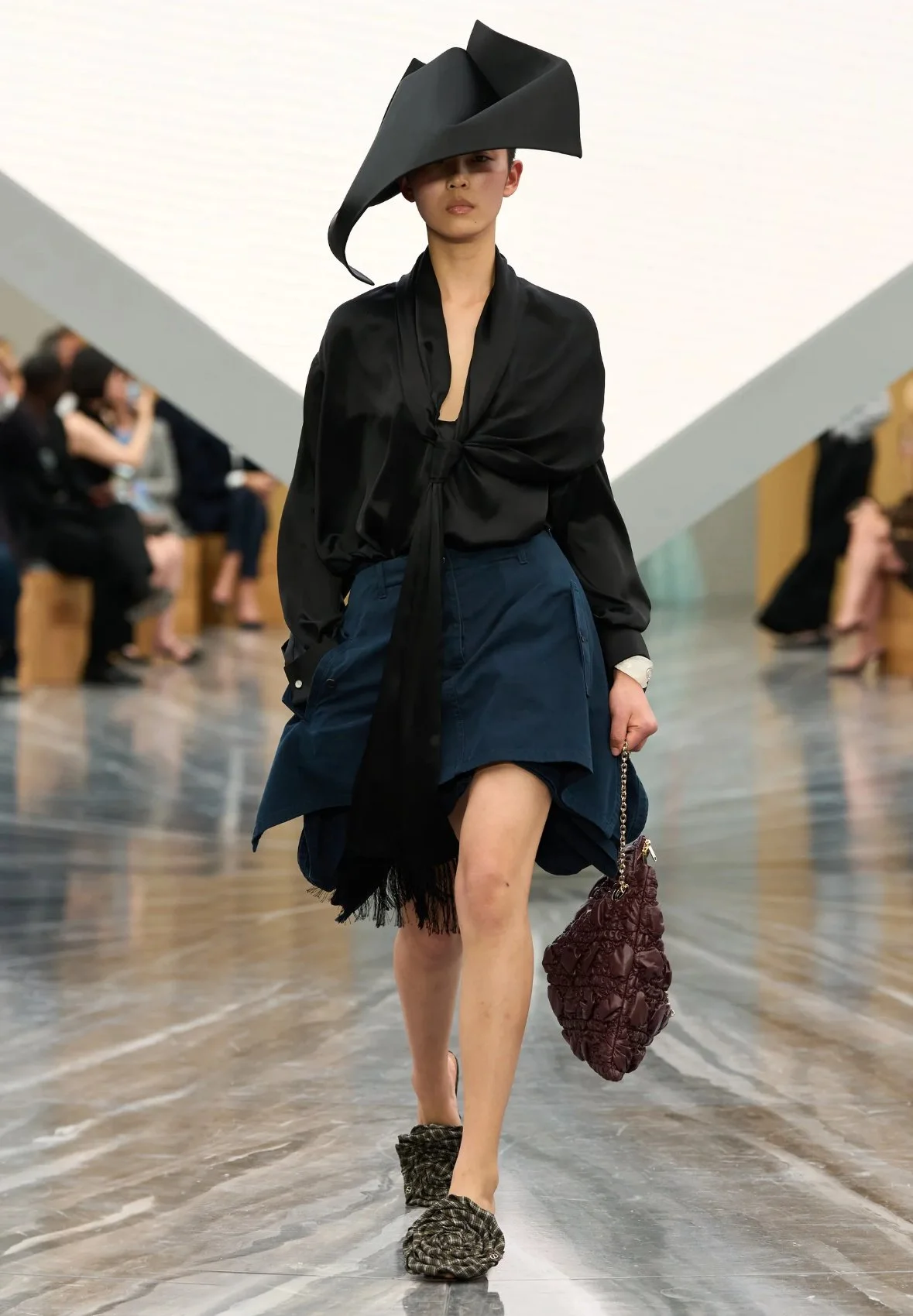
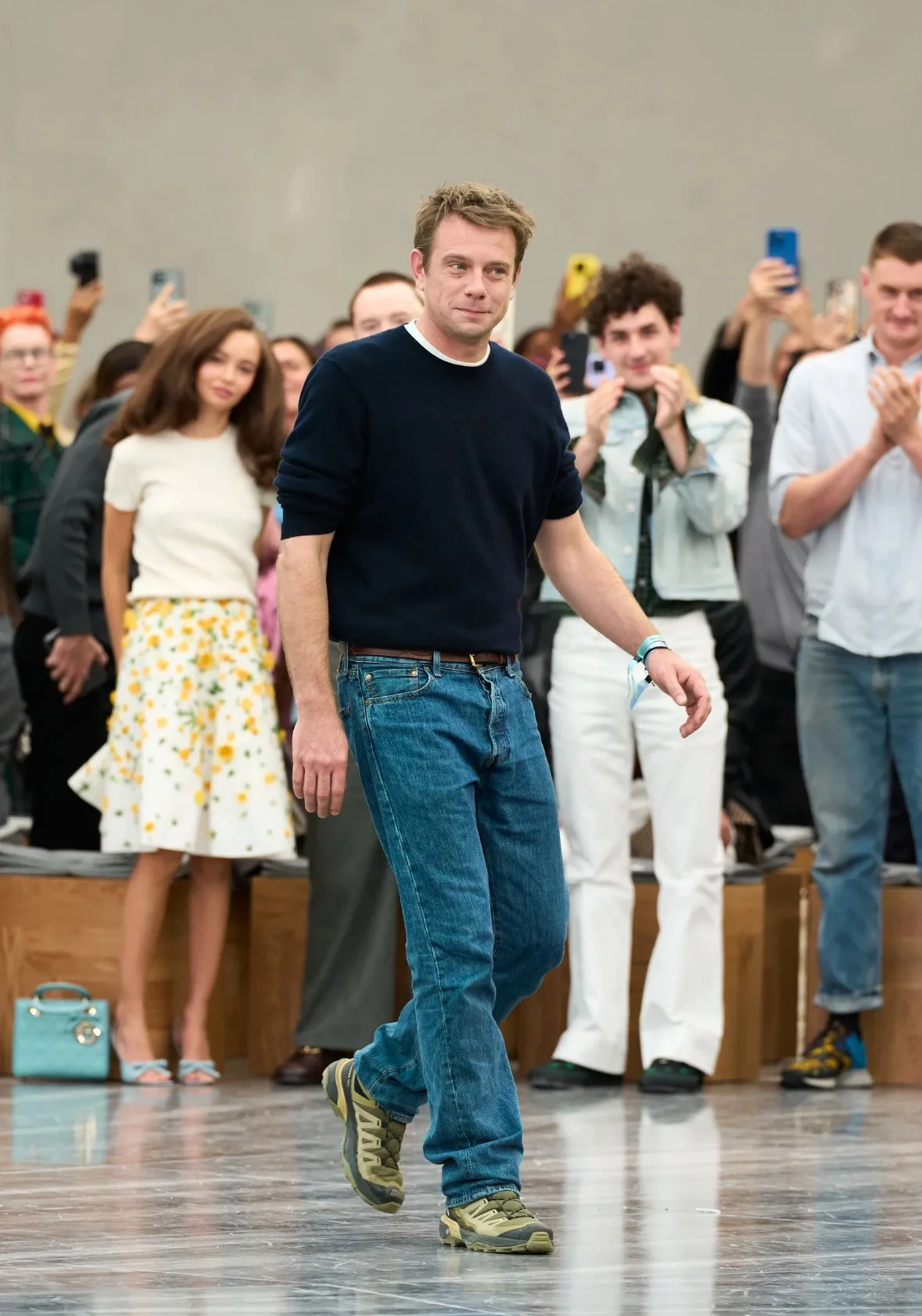
Jonathan Anderson’s debut at Dior was tender, intelligent, and surprisingly introspective. A documentary opening, archival echoes, sculptural tailoring — all infused with that unmistakable Anderson curiosity yet not as big of a bang as many of us had hoped for.
However, we do have to trust in Jonathan. He is always one to always tell a story in many chapters and SS26 was just the beginning.
Career snapshot:
He founded JW Anderson in 2008, quickly becoming one of London’s most critically acclaimed designers, then transformed Loewe into an intellectual powerhouse driven through craft. Known for gender-fluid silhouettes, continuous collaboration with artisans, and the “Puzzle” and “Hammock” bags that permanently shifted luxury accessory design, Anderson has always been a designer who unfolds slowly.
At both JW Anderson and Loewe, his first seasons were quiet — explorative, almost coded — as if he needed to feel the architecture of a house before rewriting it. Only after two or three seasons did his full vocabulary come into existence: the sculptural knit explosions at JW Anderson, the craft-drenched poetry at Loewe.
This is his method, his way to operate.
And this is why Dior’s soft debut is not hesitation — it’s foreshadowing of what is yet to come.
So sit tight, watch closely and take his first clues from this season’s presentation to try and imagine what he still has coming.

MAISON MARGIELA — GLENN MARTENS TURNS HAUTE COUTURE FROM BEAUTIFUL TO INTELLECTUAL
Glenn Martens finally took over Margiela ready-to-wear — and oh, did he understand the assignment.
Deconstruction, reconstruction, distortion, reimagining — but never chaos for the sake of chaos. It was intellectual. It was emotional. It was Margiela in spirit but Glenn in attitude: sharp, witty, hauntingly precise.
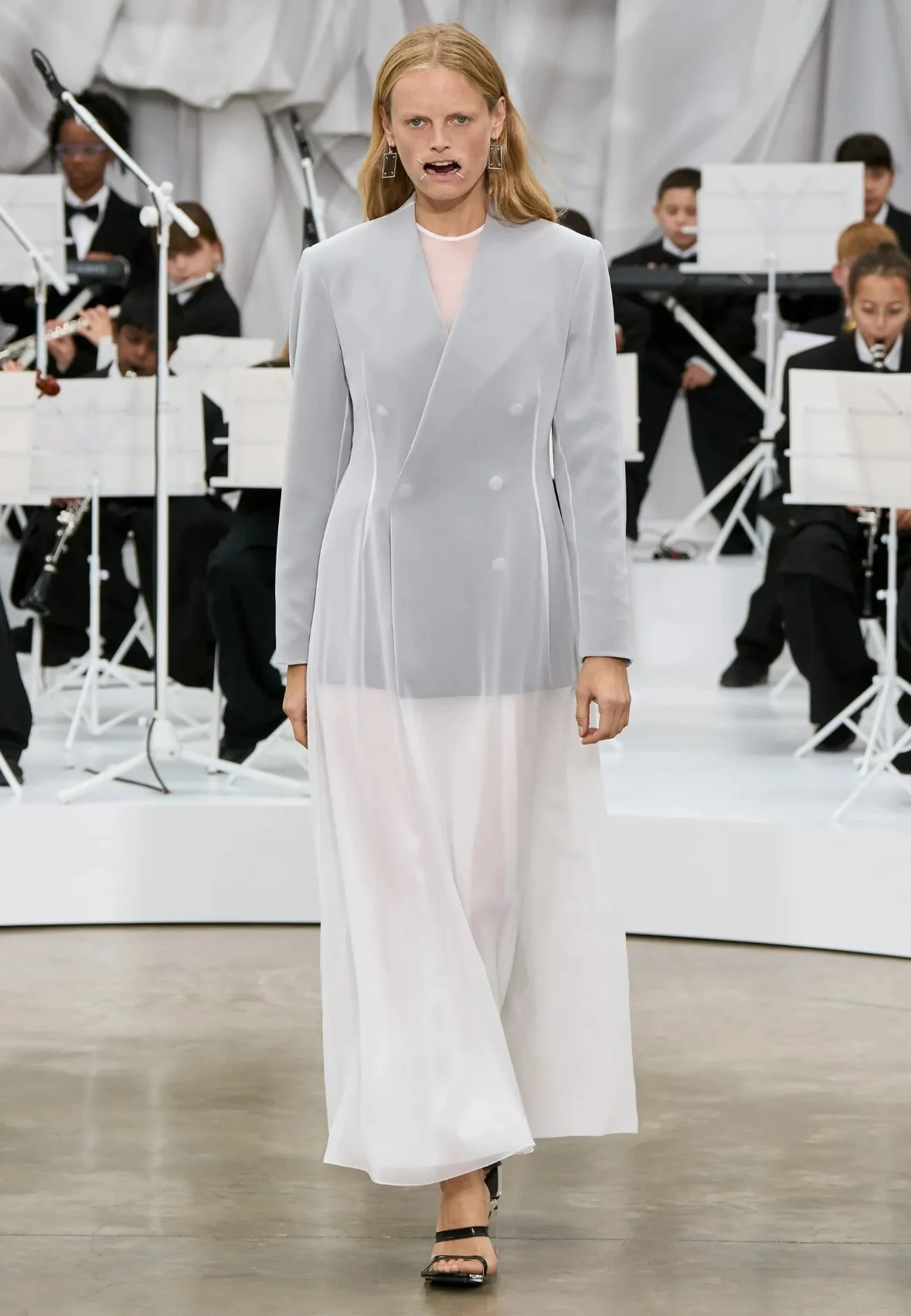
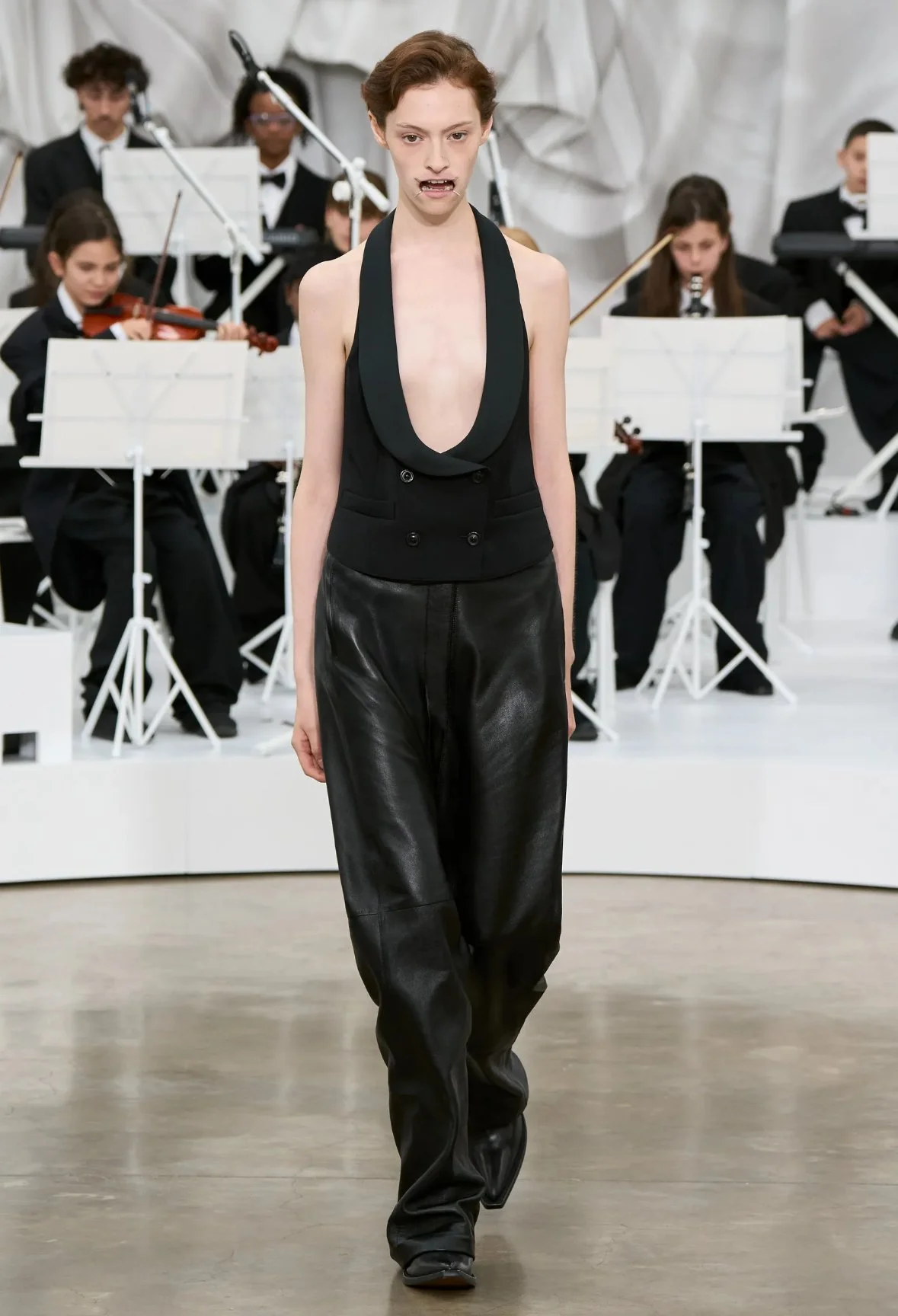
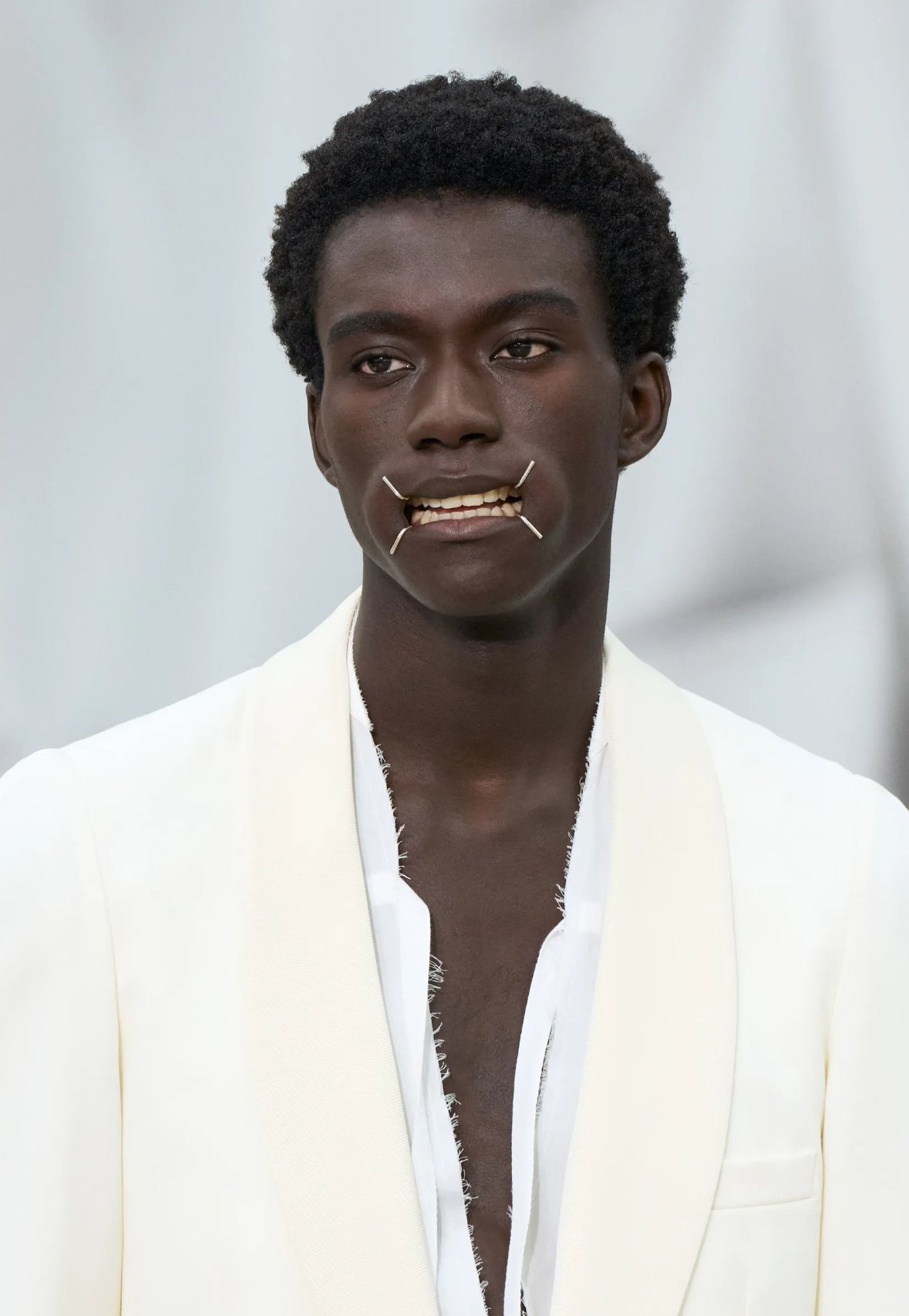
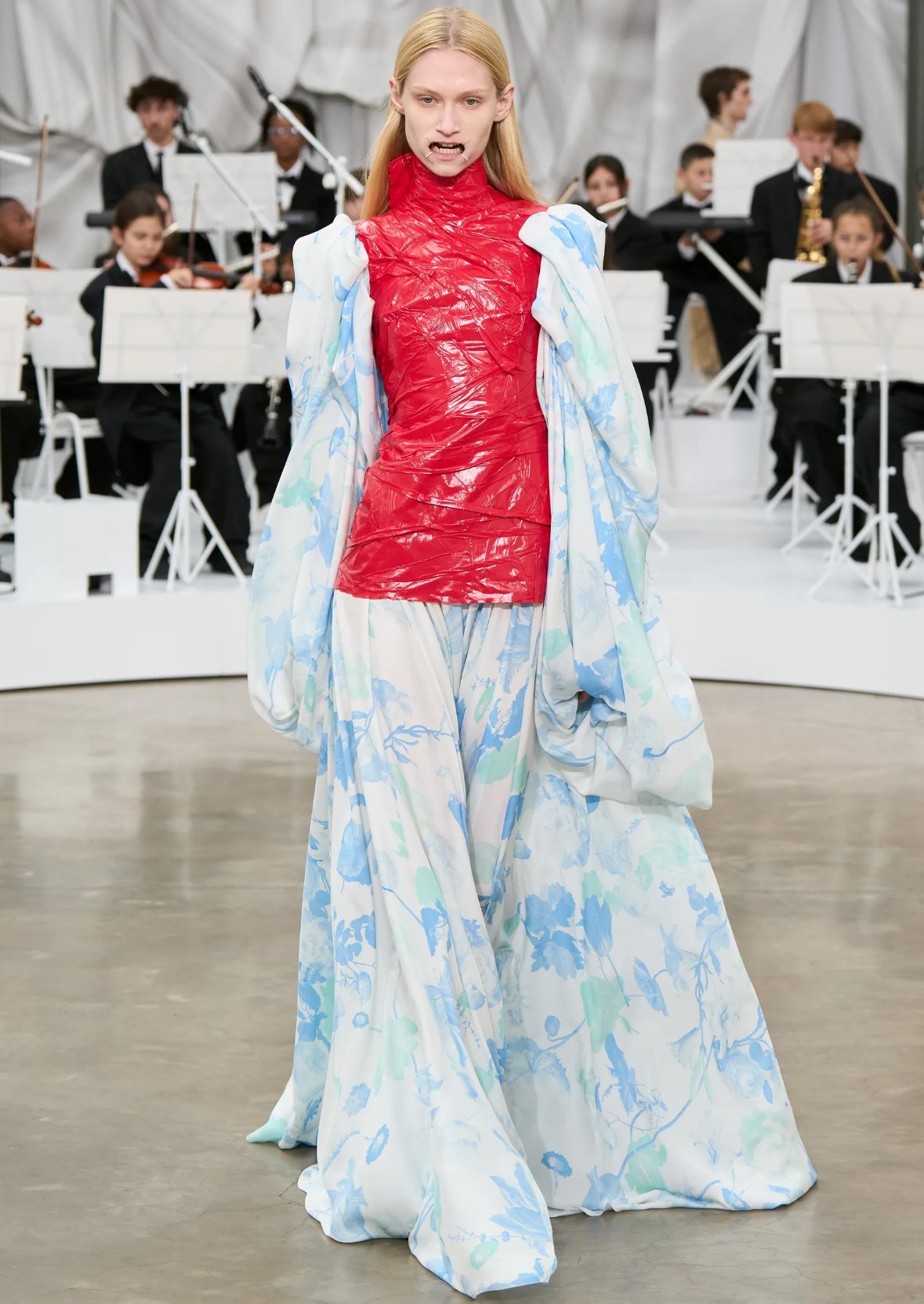
And this season, he surprised Paris with something extraordinary: an orchestra of 61 children, ages 7 to 15, performing Mozart, Bizet, Strauss, Beethoven, and Prokofiev in adult-size tuxedos. Tiny hands on giant instruments, exuberant energy, feet barely reaching the floor. Genuine smiles broke out across the audience, a perfect counterpoint to the models’ metal rectangle mouthpieces, which Martens explained as “obliged smiles” — a nod to Martin Margiela’s concept of anonymity.
Career Snapshot:
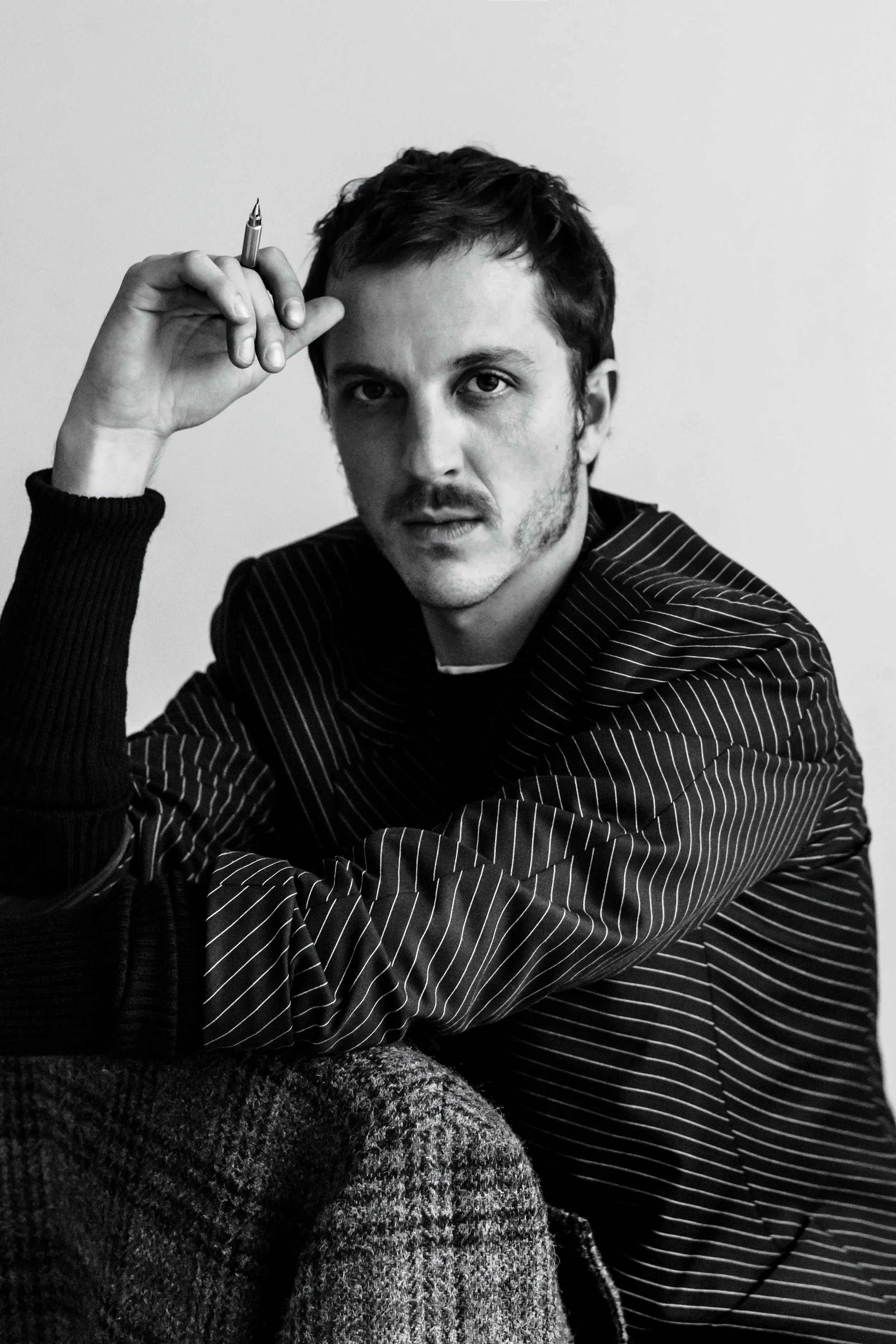
Martens began under Jean Paul Gaultier, then reinvented Diesel into a cultural hot spot with viral denim engineering and erotic industrialism. As creative director of Y/Project, he became known for his technical twists, humorous construction, and garments that look ordinary until they absolutely are not.
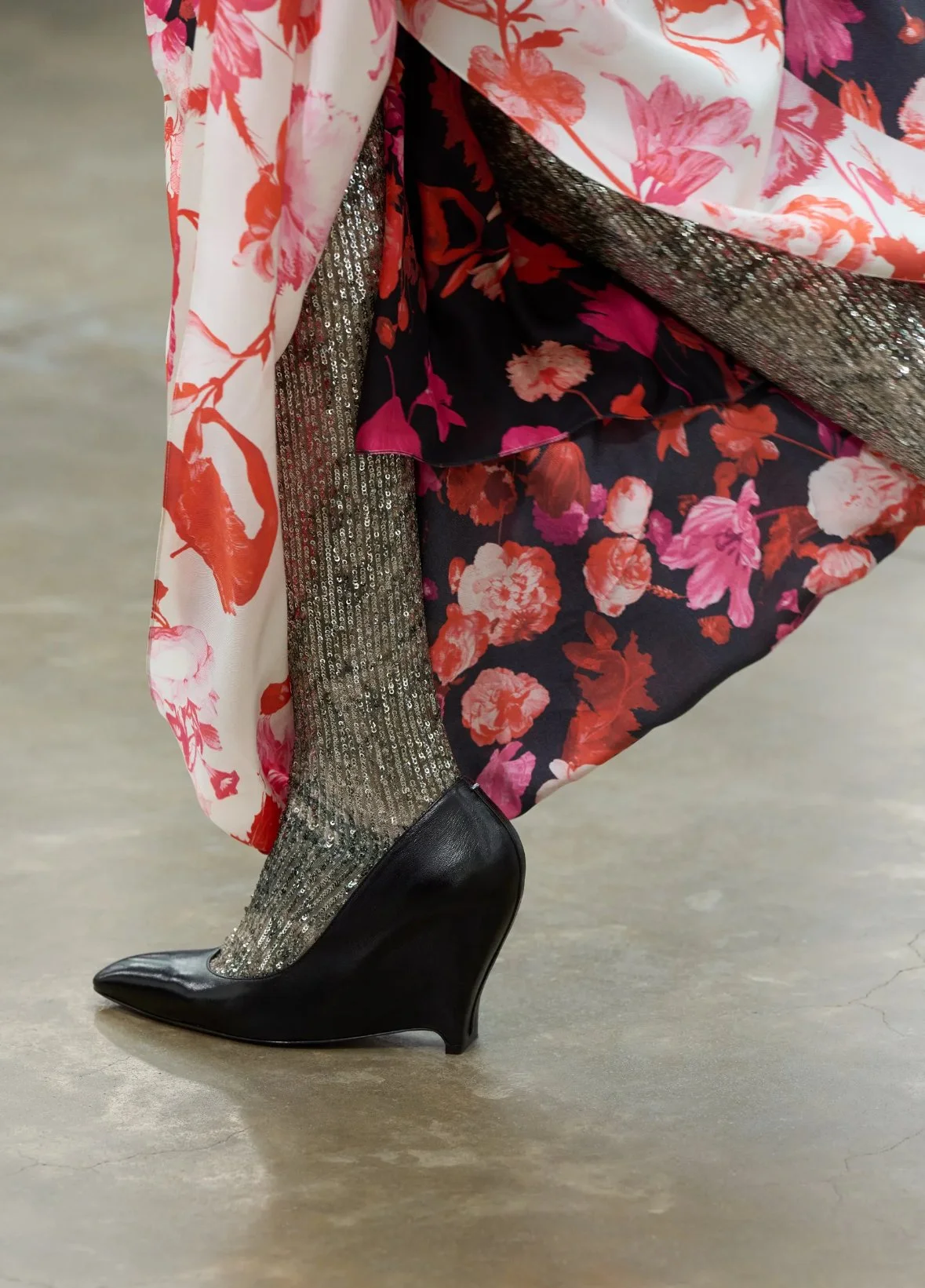
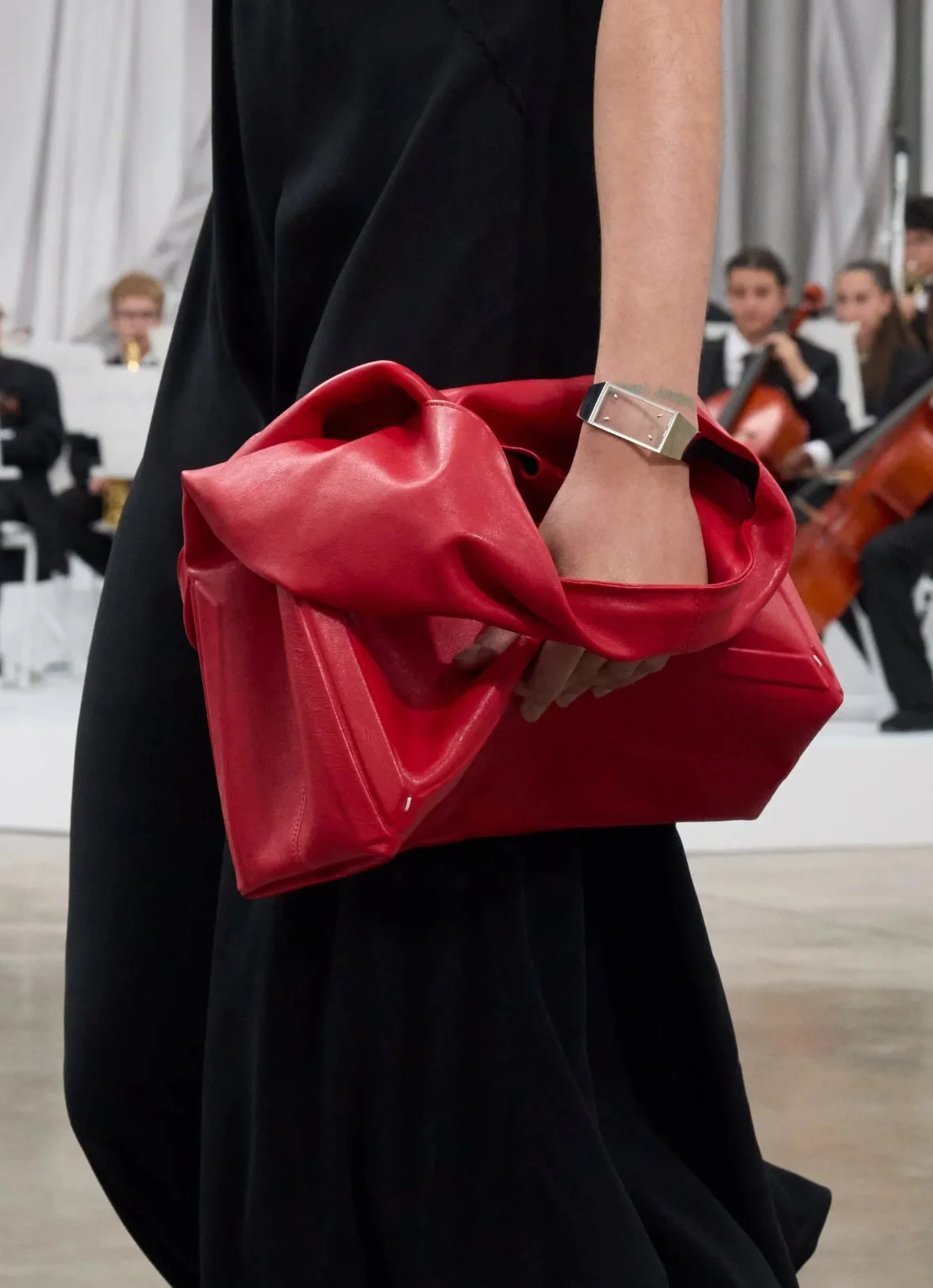
However, Martens did not make it about spectacle alone. His designs were grounded in the original Belgian aesthetic: streetwear, excellent tailoring, reappropriated vintage clothing, and an intersting takes on formal eveningwear. Minimalist-gothic leather coats, dirty denim jackets, subtly deconstructed tailoring — lapels tucked inside, elongated V-shapes, silk layers over classic tuxedo jackets — all demonstrated his mastery of craftsmanship while subtly challenging convention. He even transformed Margiela’s iconic plastic garment bags into elegant, layered silk veils that hinted at sophistication without losing the house’s DNA.
With all this being said, and sadly having to come to an end with a season that books could be written about (and might be in the future),
some other special mentions have to be given to the following:
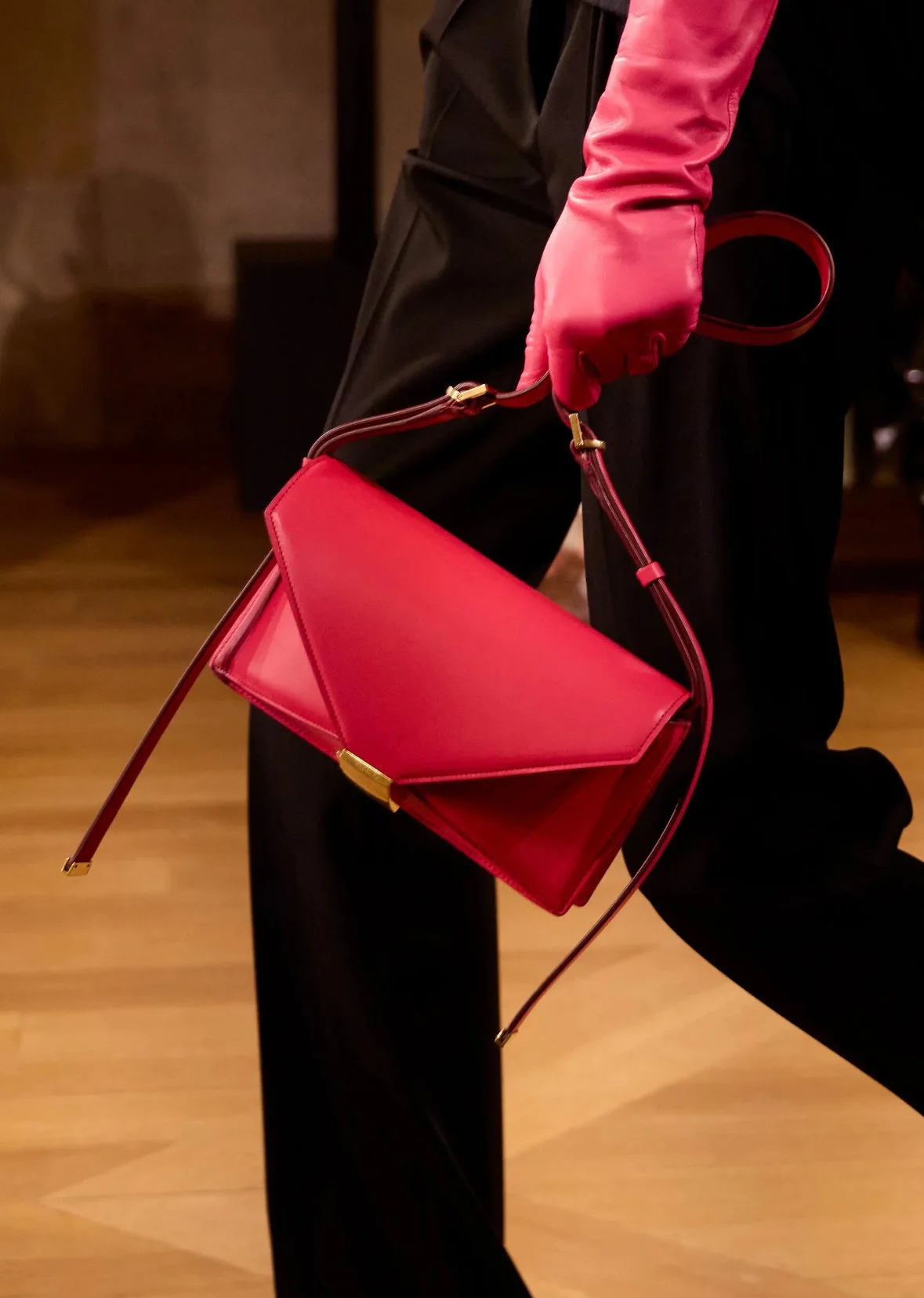
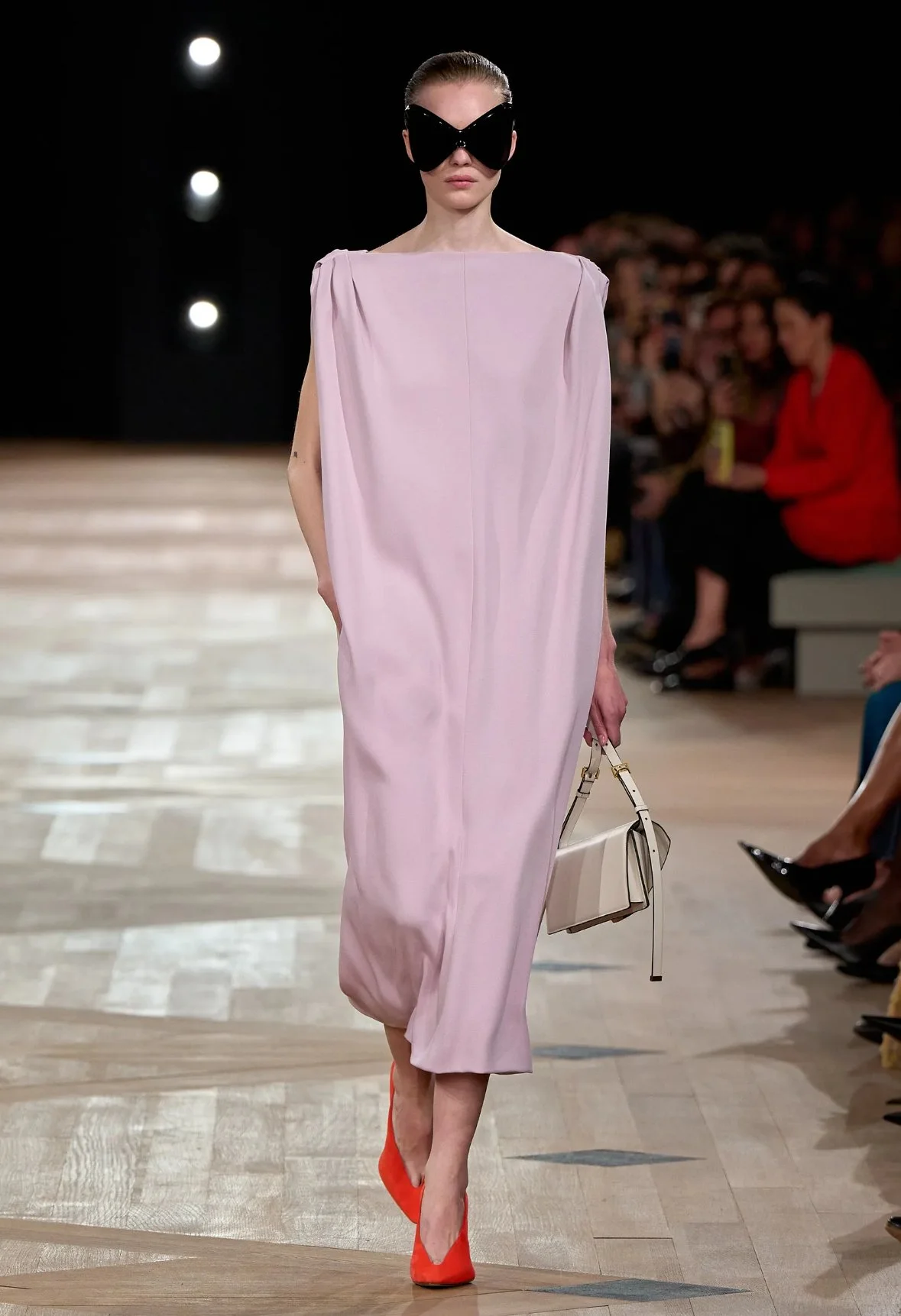
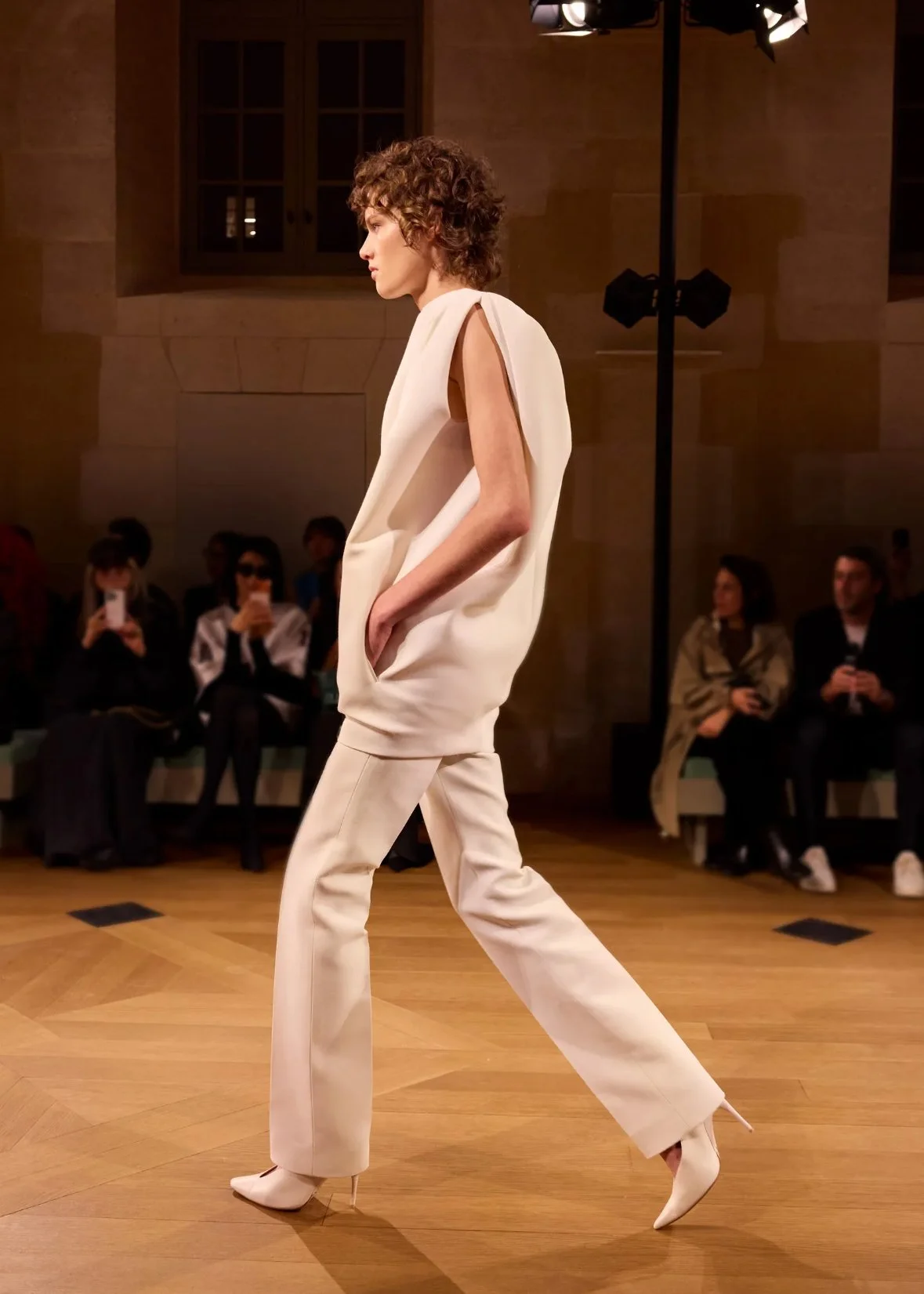
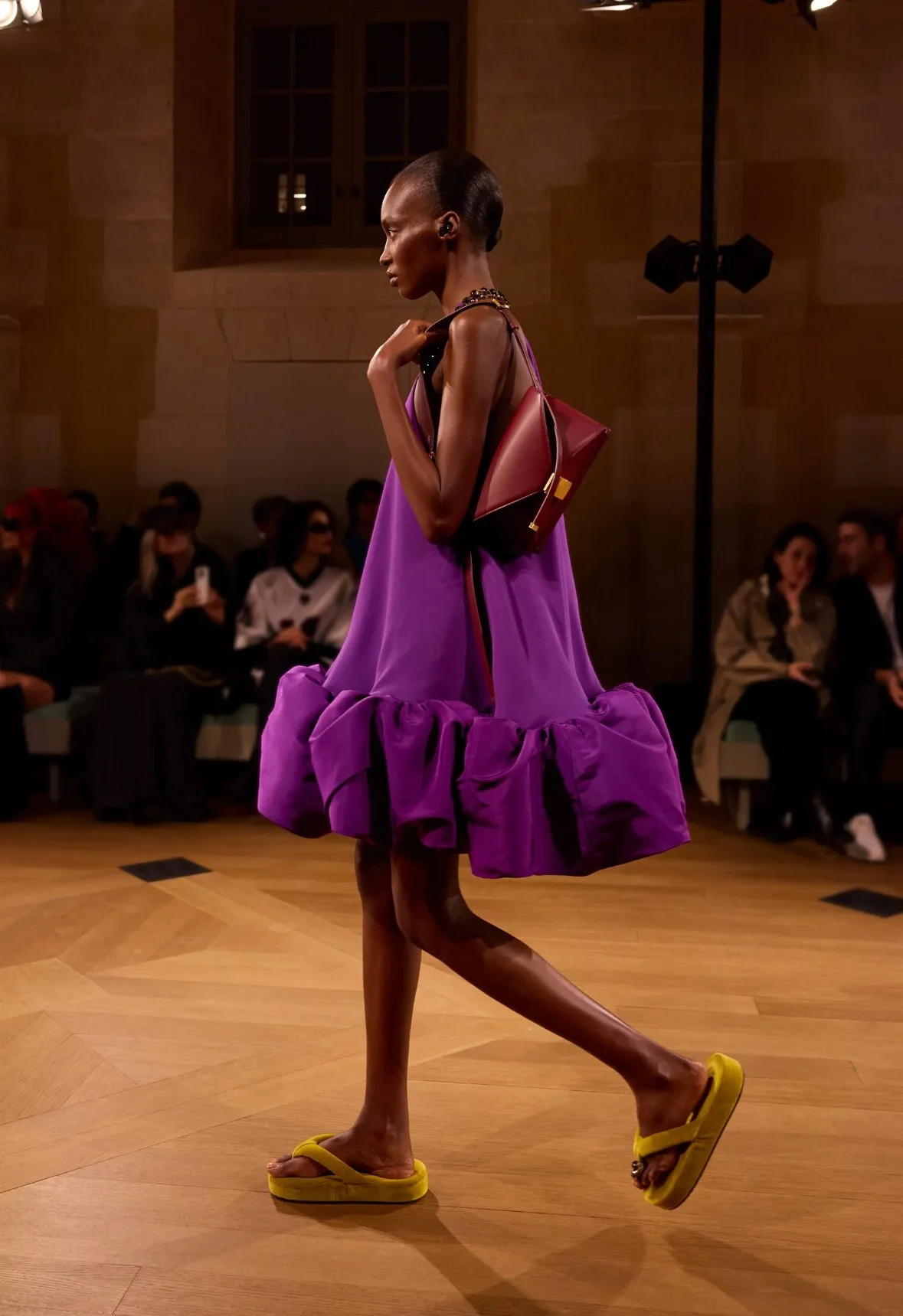
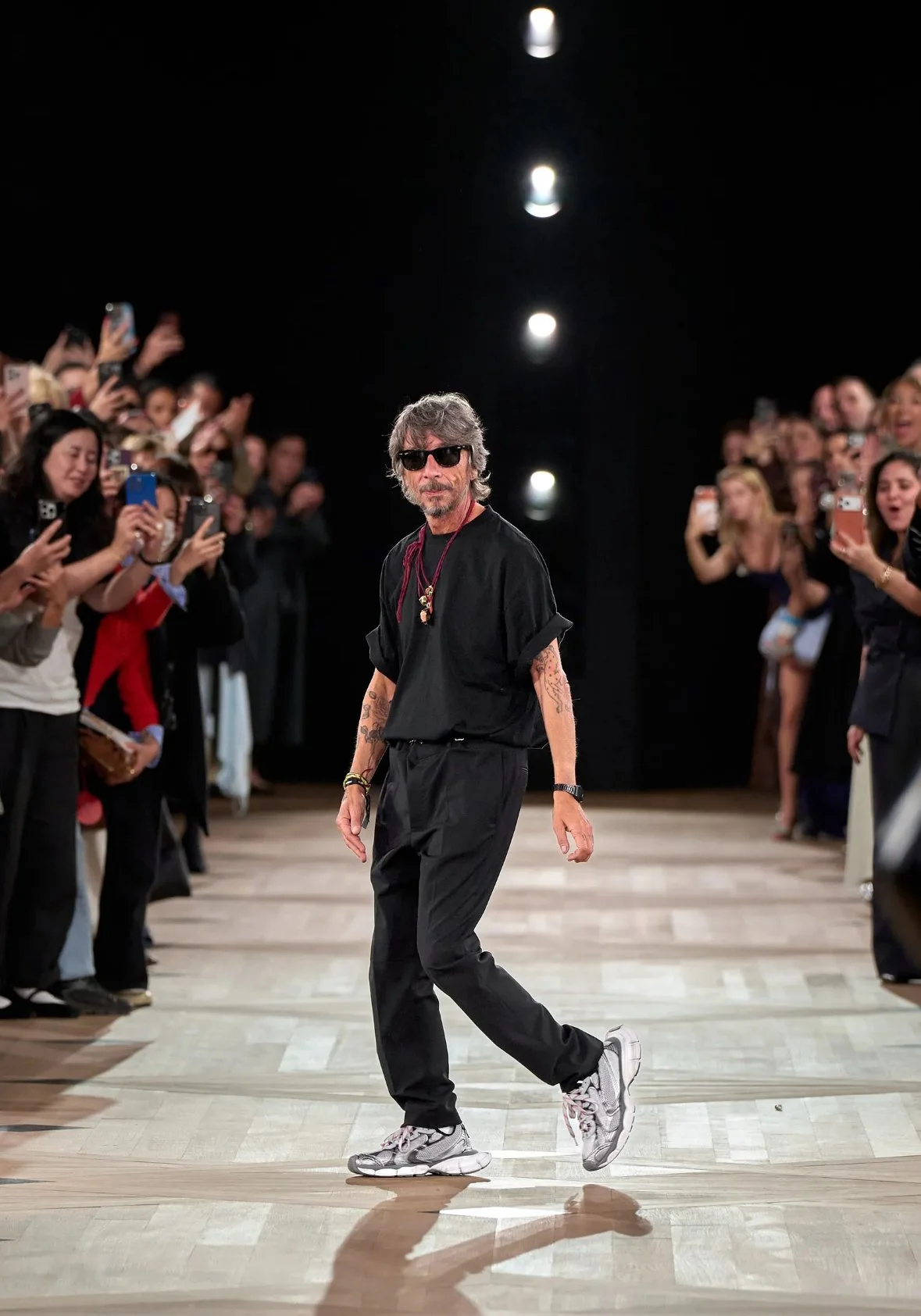
BALENCIAGA’S PIERPAOLO PICCIOLI - THE POET OF COUTURE CLEANING HOUSE
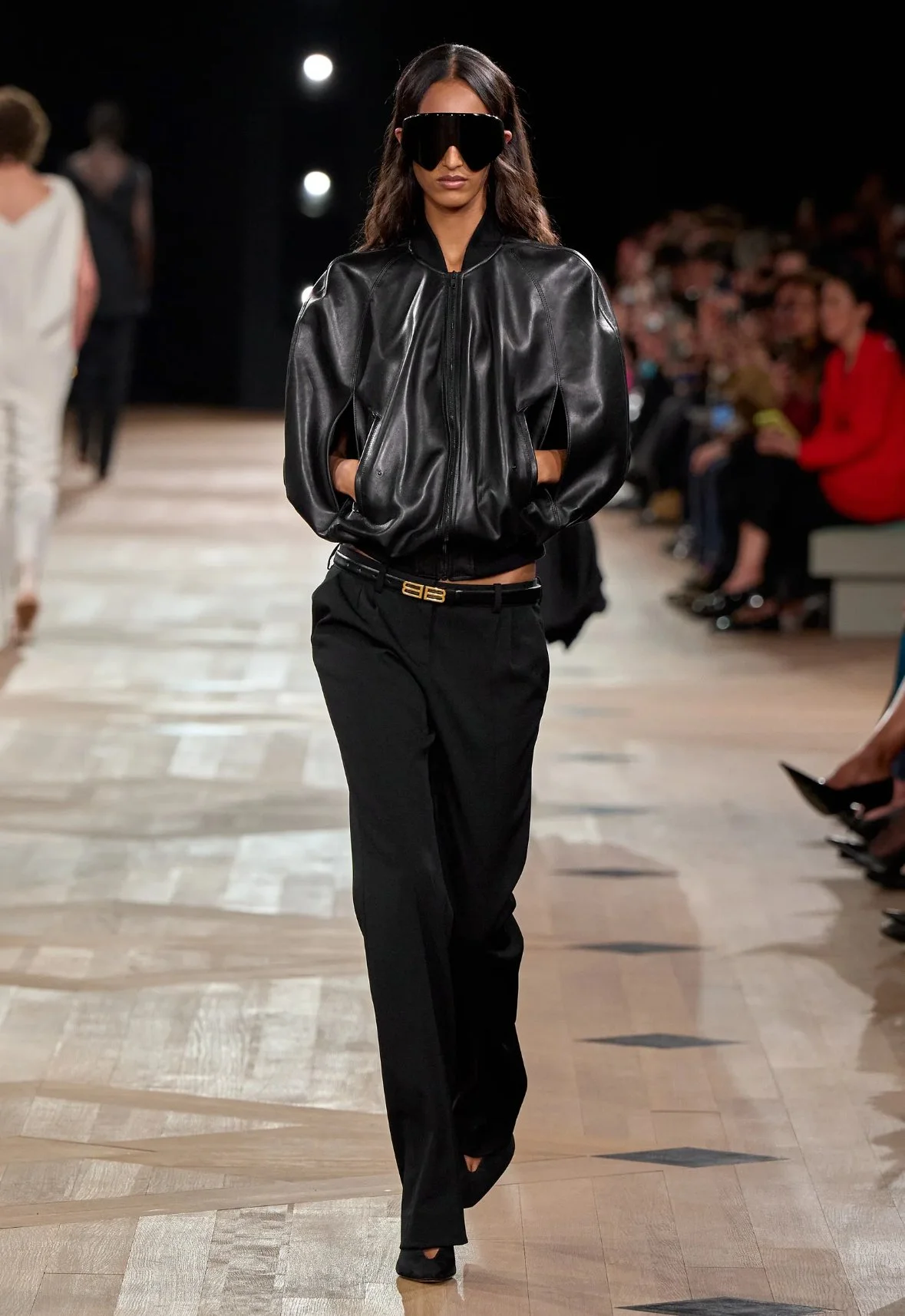
Piccioli’s Balenciaga debut spoke in whispers rather than shouts. The shock tactics were gone, replaced by careful attention to silhouette, precise draping, and understated technique — a quiet, more deliberate revolution.
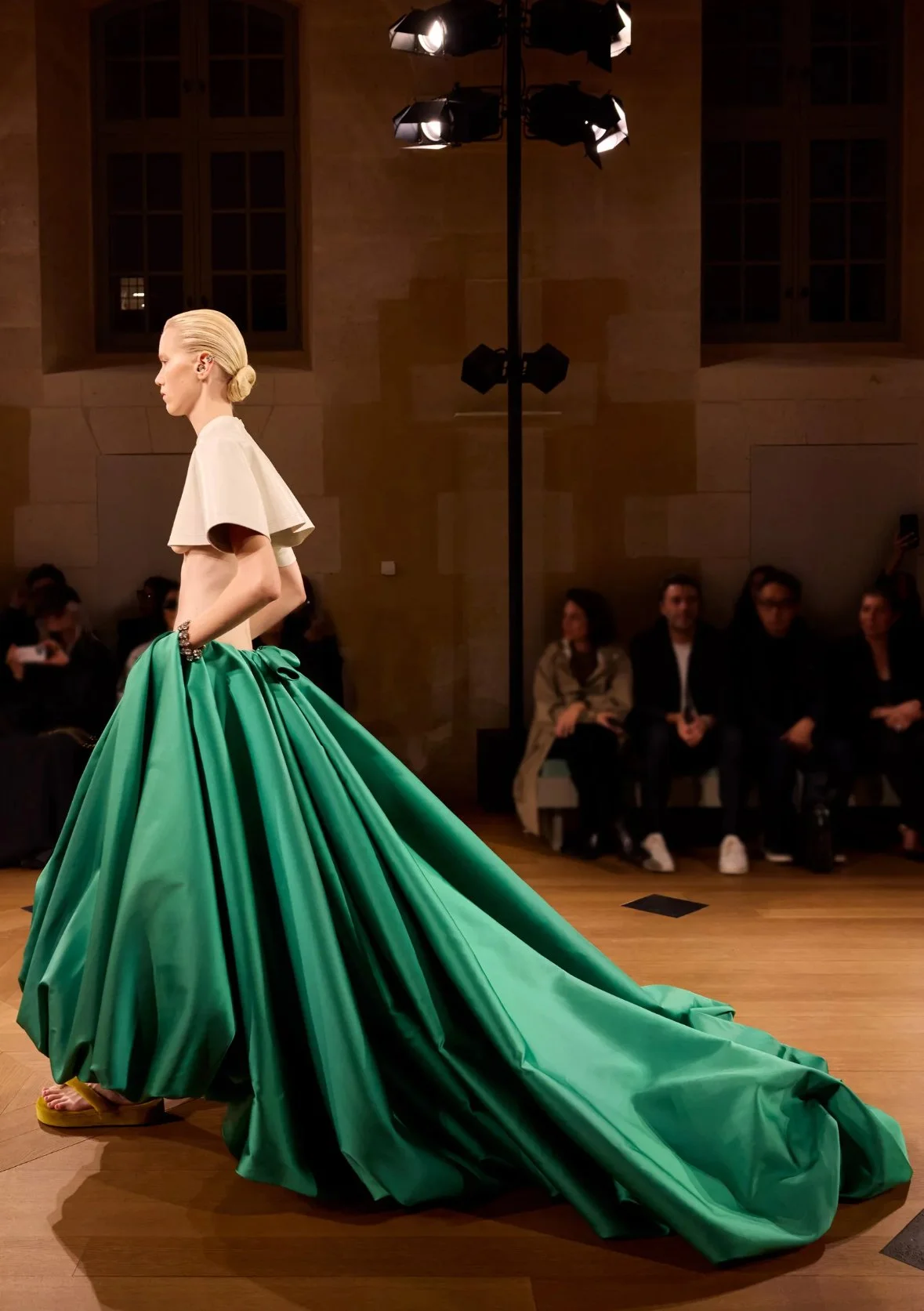

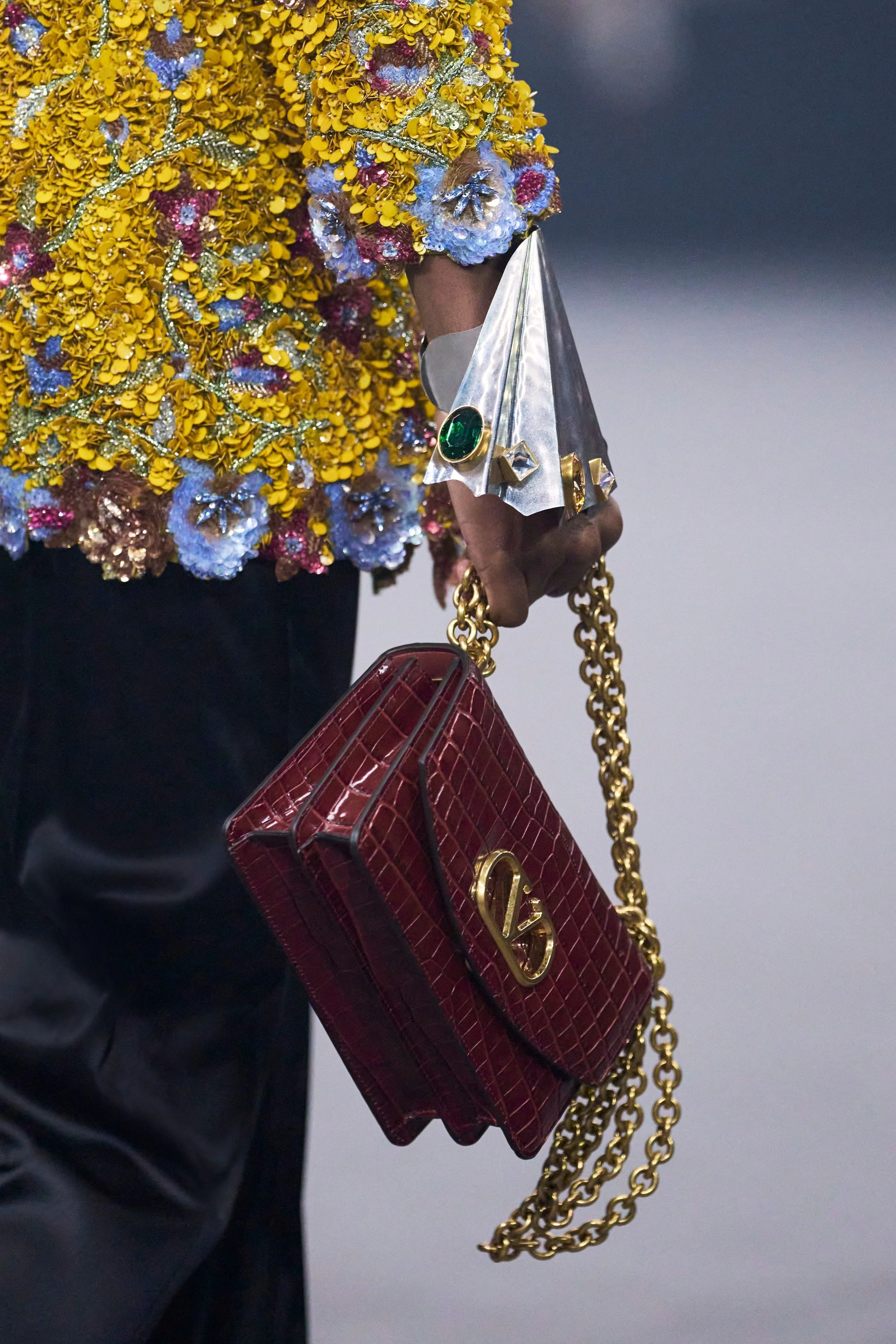
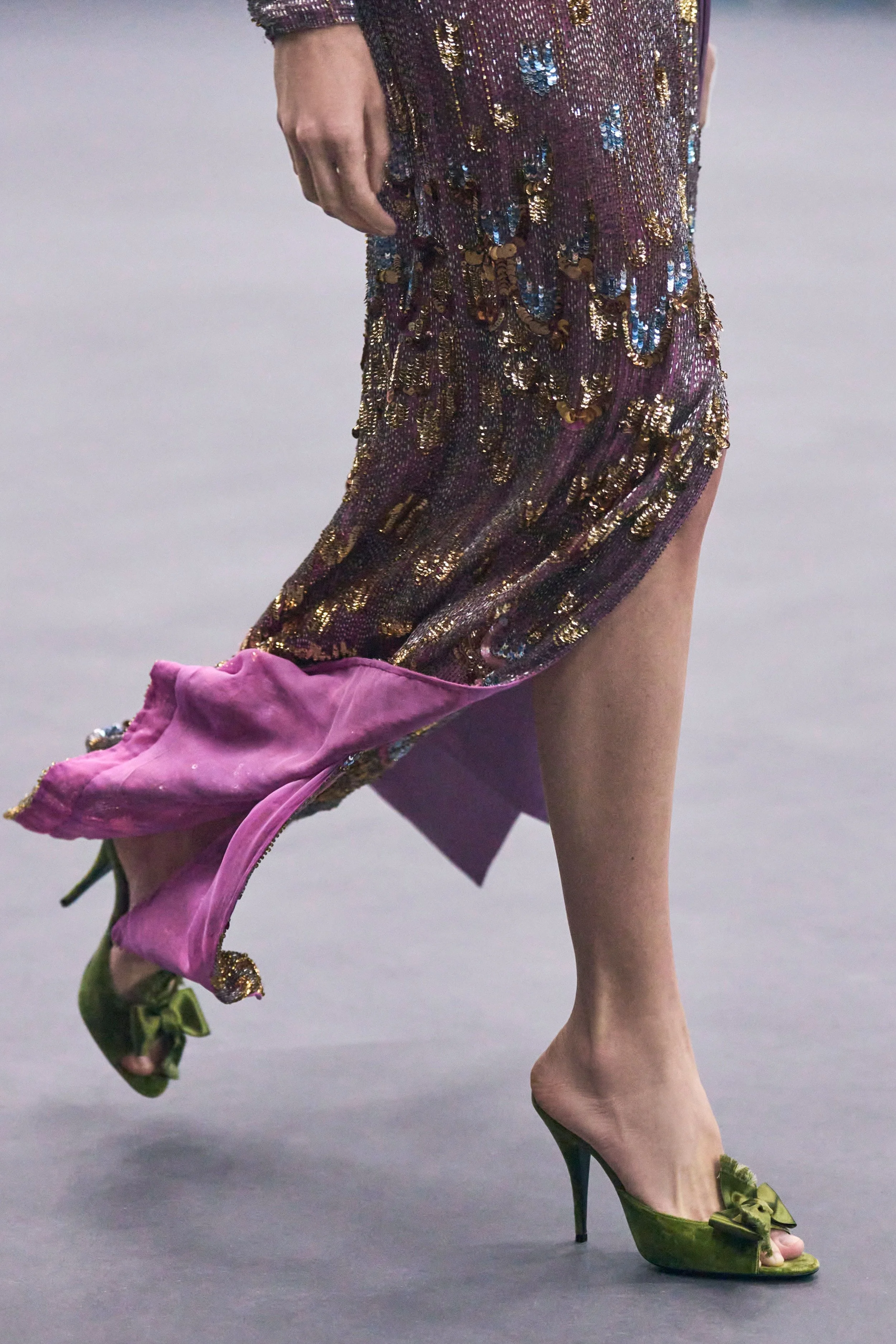
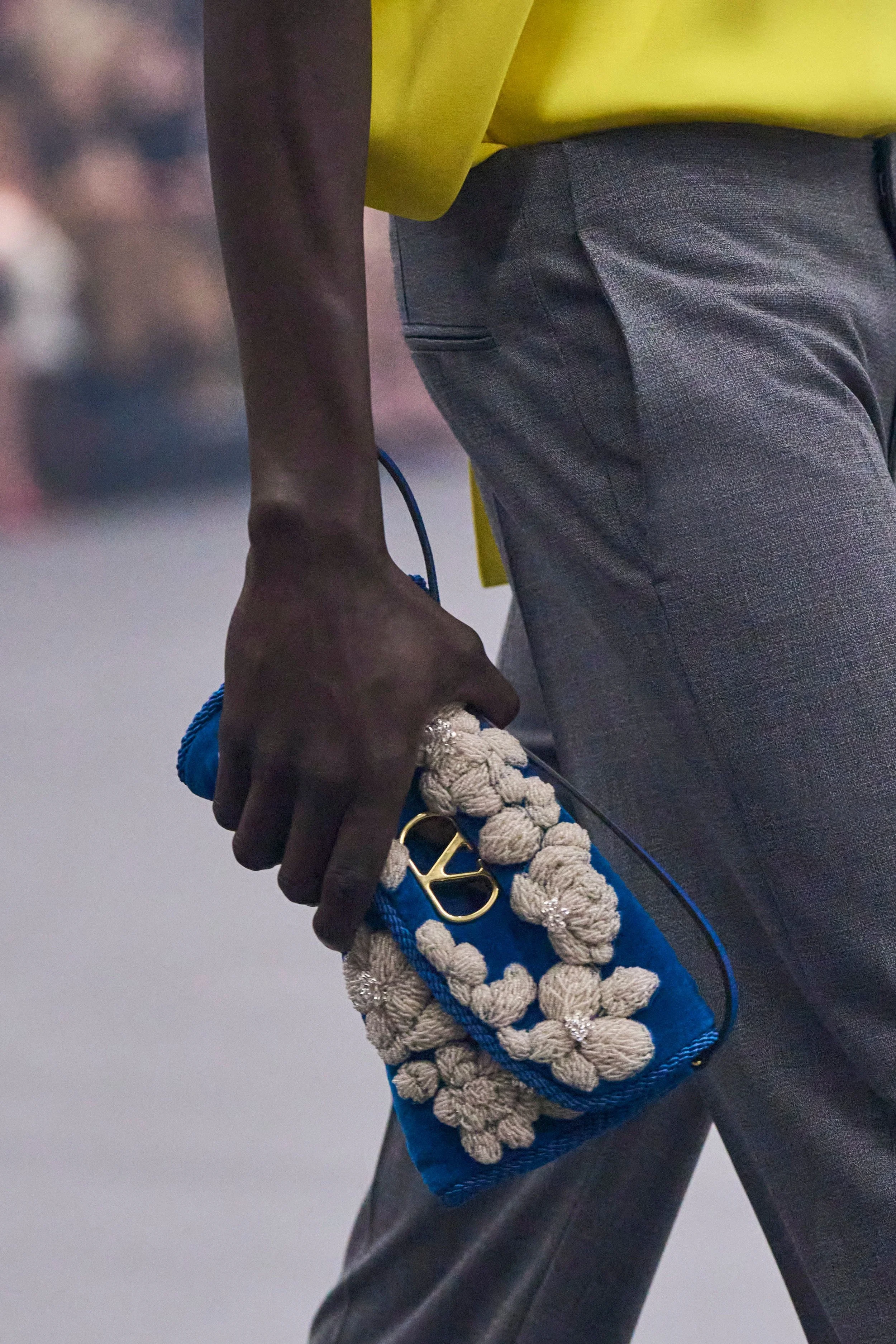
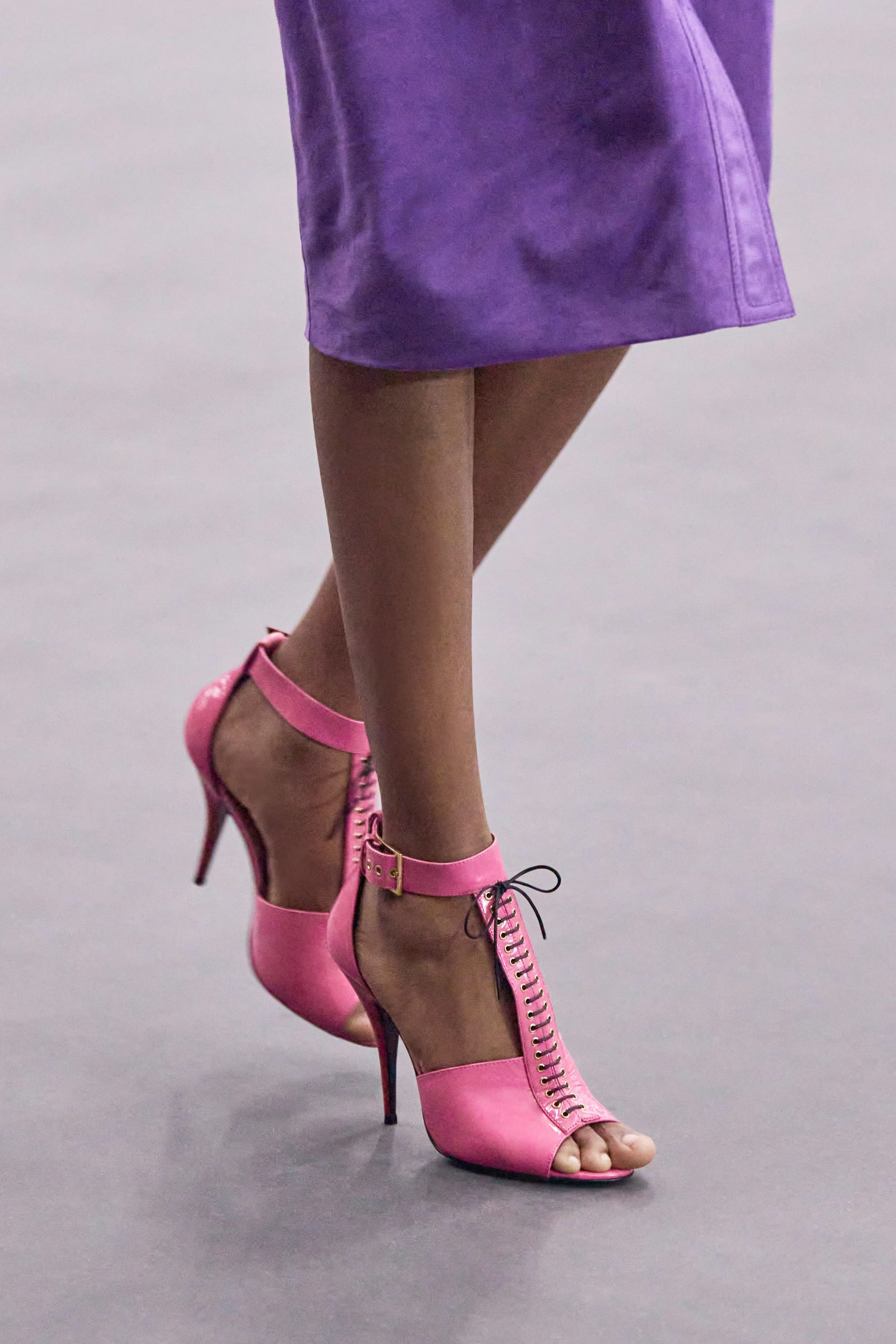
VALENTINO’S ALESSANDRO MICHELE - ONCE A DREAMER ALWAYS A DREAMER
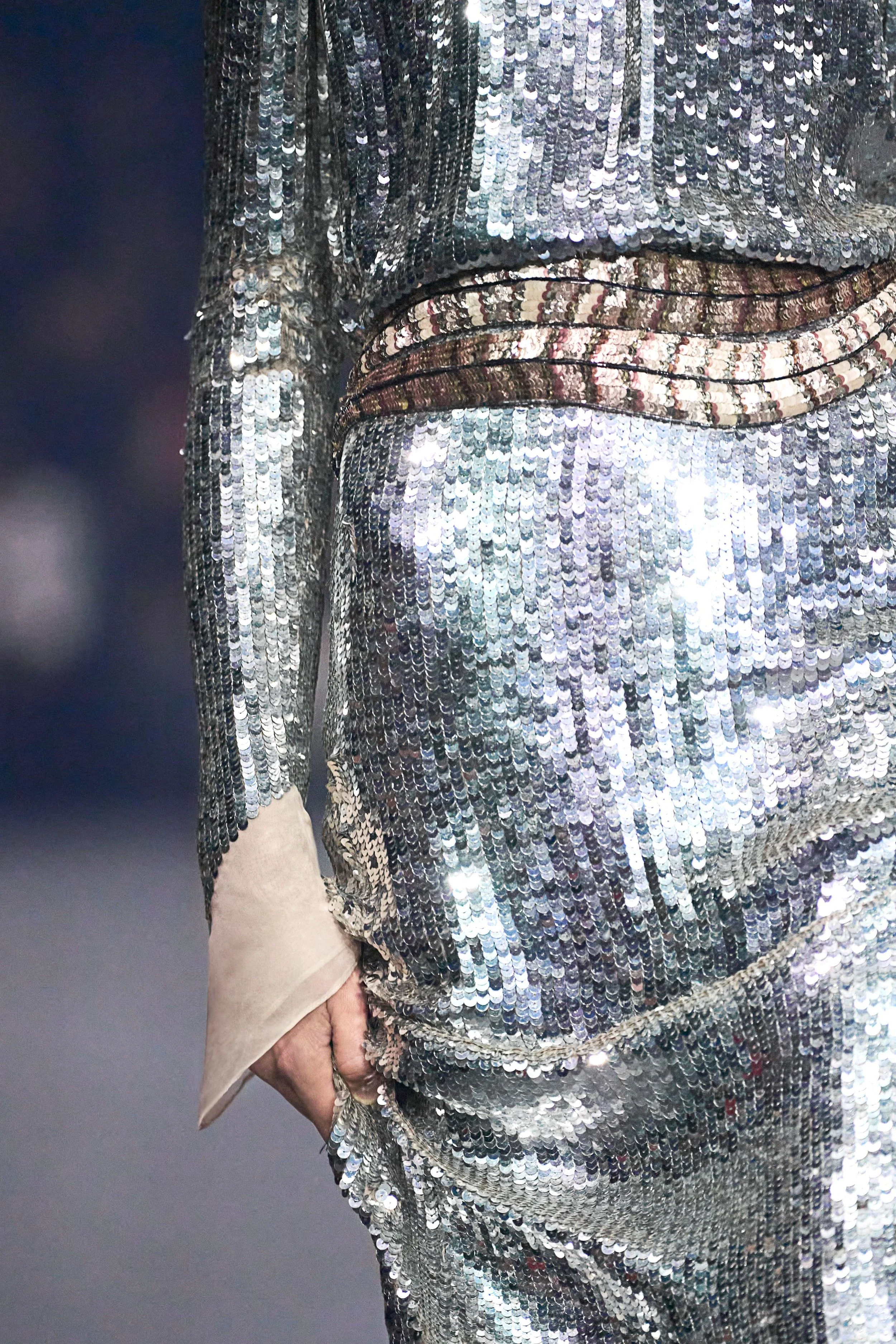
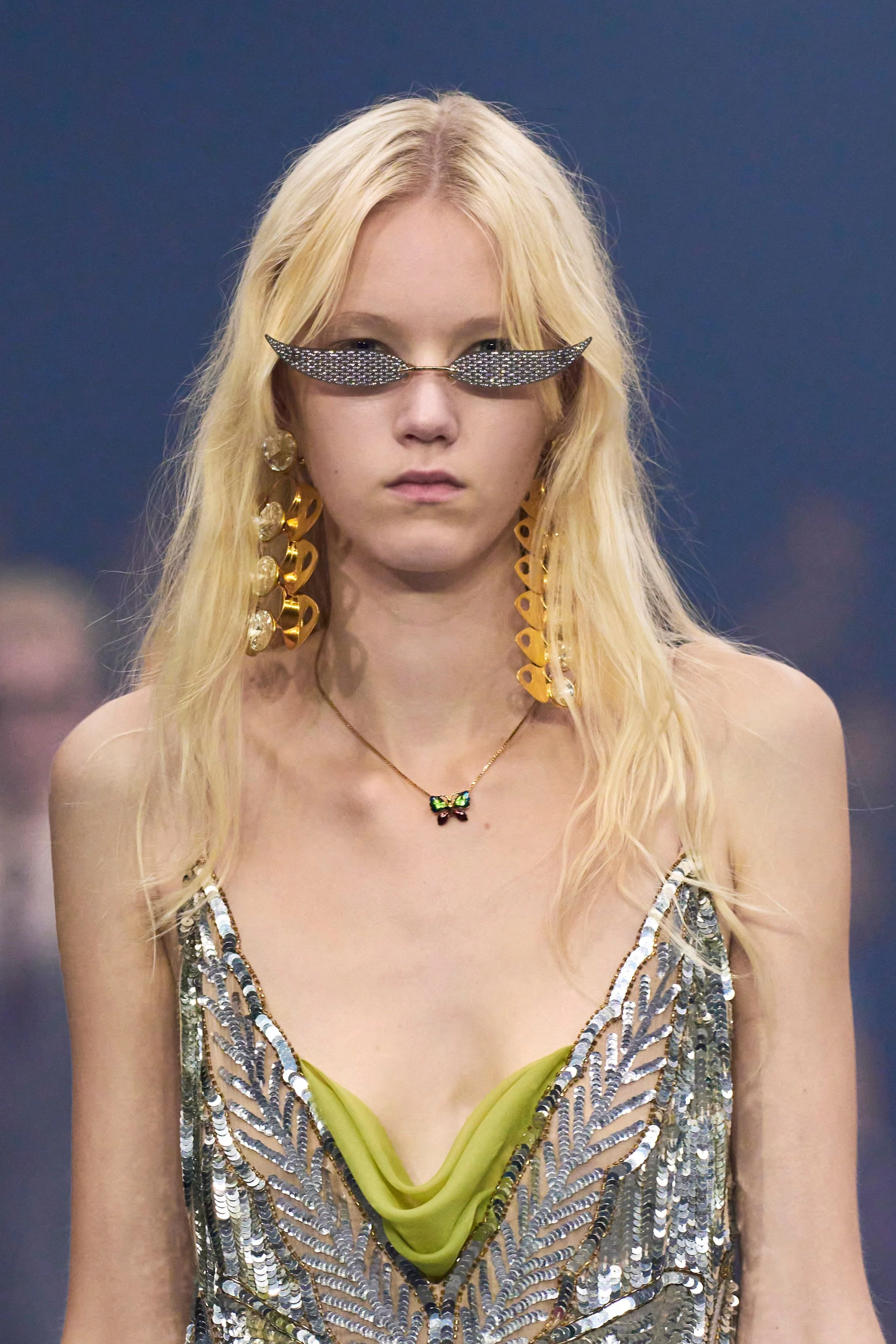
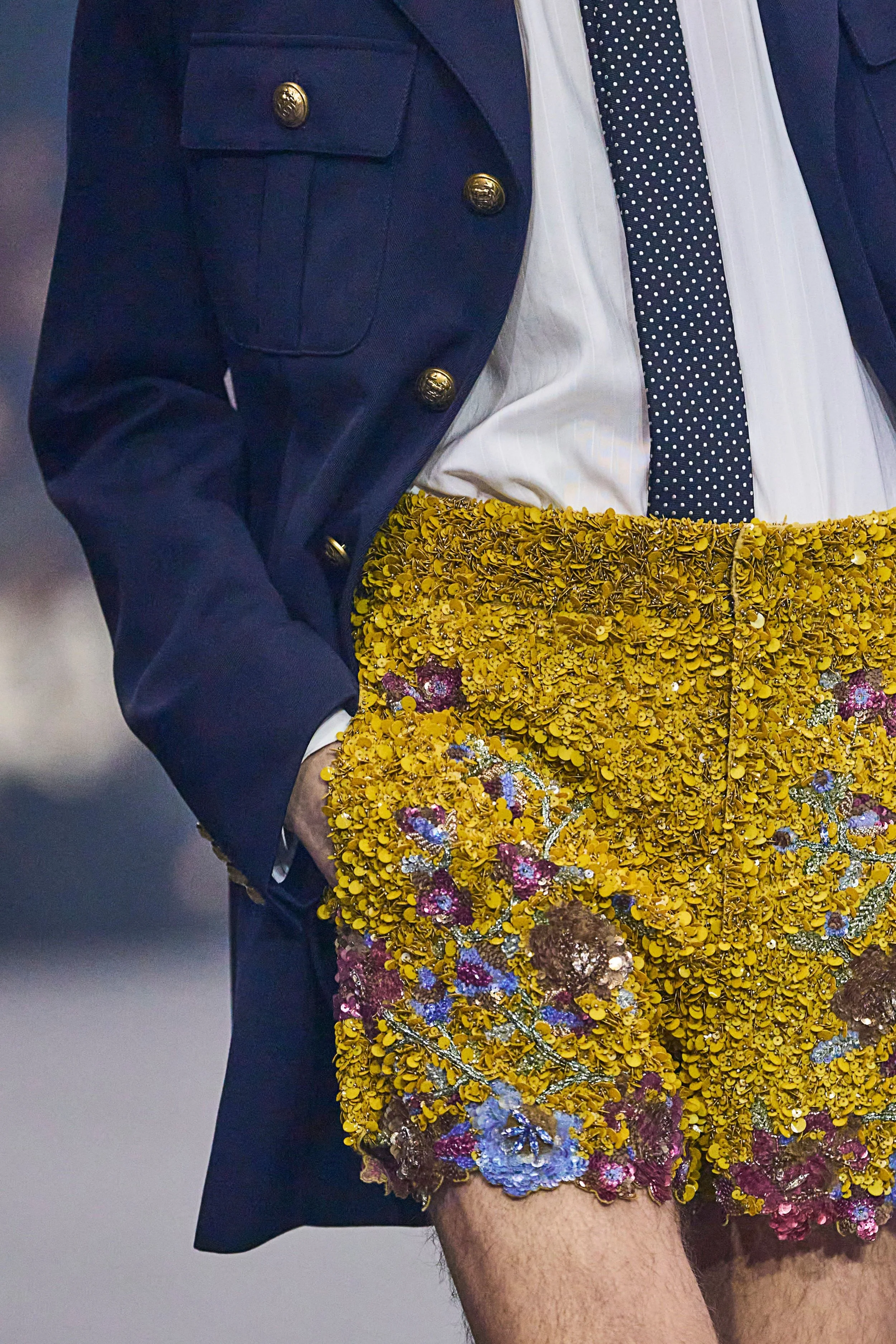
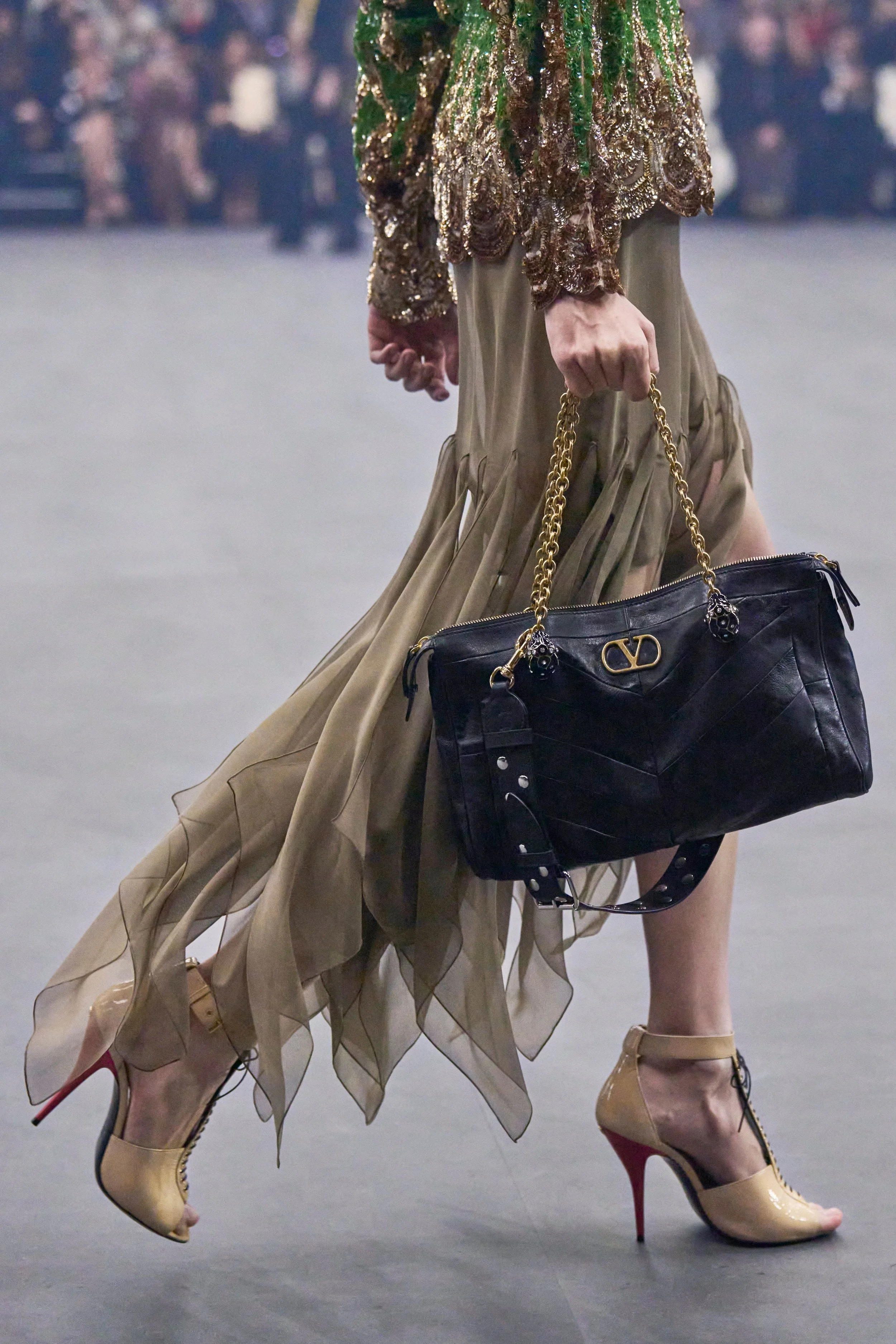
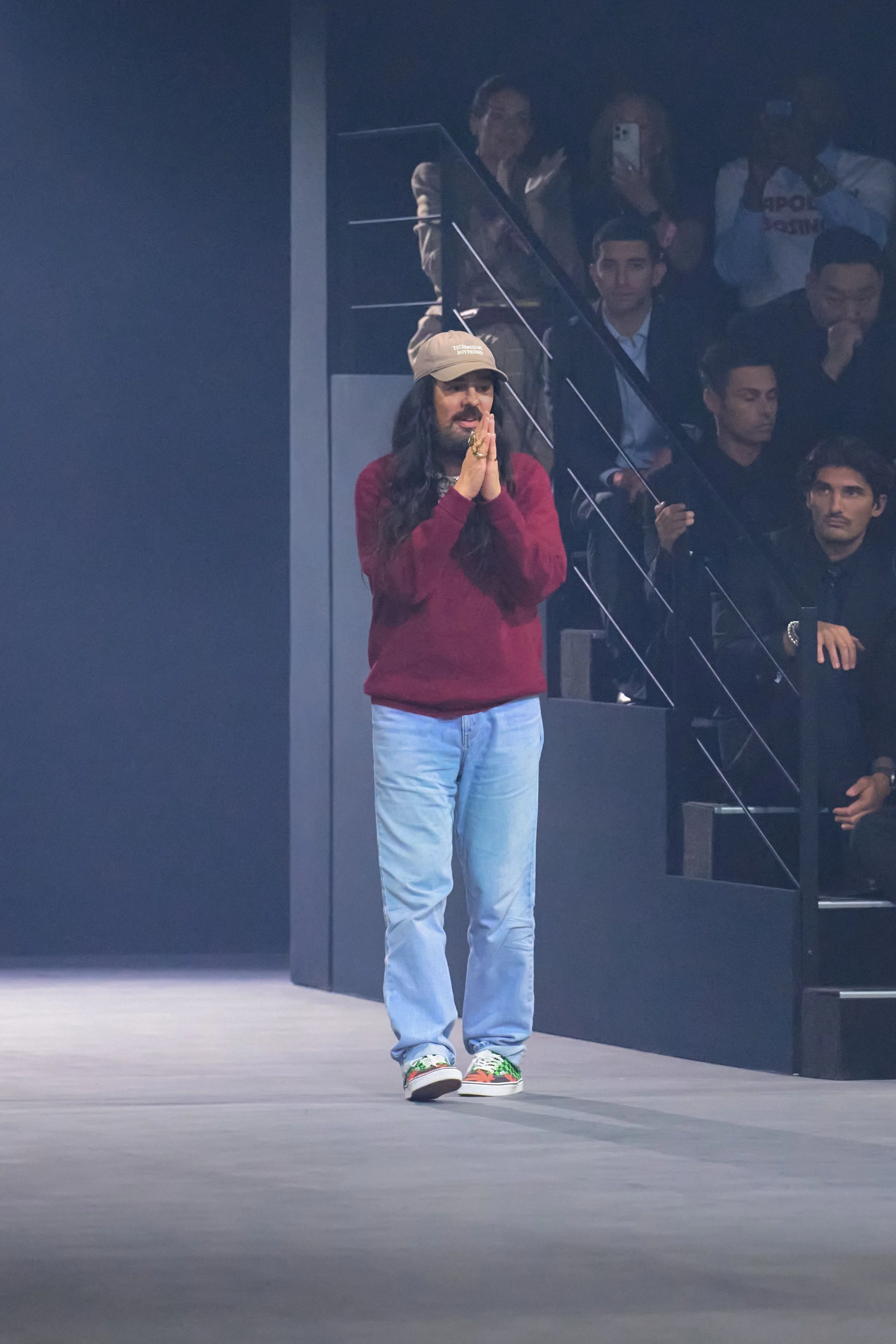
Alessandro Michele’s Valentino show shone like a constellation of fireflies, offering glimmers of hope and creativity amid a turbulent world. Through simplified silhouettes, vibrant fabrics, and a mesmerizing light installation, he reminded Paris of the power fashion has - fashion can illuminate, inspire, and spark imagination even in dark times.

So when it all comes to an end, what did it teach us?
That fashion — real fashion, the kind that makes your heart pound, the kind that sparks arguments and group chats and essay-length captions — is FINALLY back.
That Paris, long the queen of elegance, has rediscovered its appetite for revolution.
That new creative directors do not just bring new clothes — they bring new worlds.
And that when enough houses change hands at the same time, we do not just get a ripple, we get a BIG BANG.
So enjoy it while it lasts & see you soon for the next season!!
Over & out.
XXX